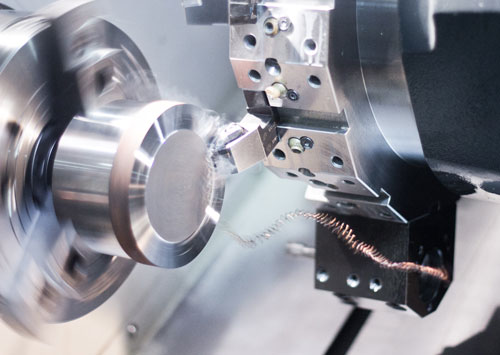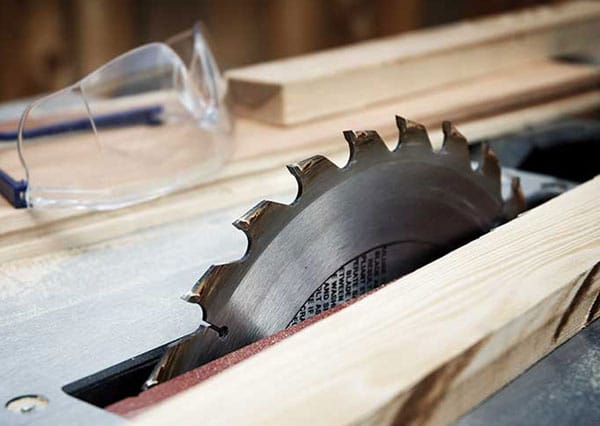
Manufacturing has changed dramatically over the past decade, especially in industries where precision and speed directly influence profits. Customers now demand perfectly cut metal parts that fit into their assemblies without the need for grinding or reshaping. At the same time, production cycles continue to shrink as markets become more competitive. Cutting methods that once dominated fabrication floors, such as mechanical saws or punching presses, now struggle to meet these demands because they often cause deformation, create rough edges or generate excessive waste.
In response to these limitations, many workshops and factories have turned toward the metal laser cutting machine as a trusted modern tool. This advanced system uses a powerful laser beam along with automated controls to cut through metals of different thicknesses while maintaining a clean finish and consistent accuracy. As more business owners realize the importance of precision and fast delivery in keeping customers satisfied, this technology has quickly become a preferred choice in both small and large production environments.
 Evolution of Metal Cutting Technology
The journey of metal cutting began with the simplest hand-operated tools, such as chisels, saws and files. These instruments were effective for small tasks but heavily dependent on individual skill and physical effort. As industrial production expanded during the nineteenth and twentieth centuries, there was a clear need for machines that could cut faster while producing uniform results. This demand led to the introduction of mechanical shears, guillotine cutters and power-operated hacksaws, which were widely adopted in early factories. Although these tools improved productivity, they also brought their own limitations in terms of accuracy, speed and material flexibility.
The next major shift came with thermal cutting technologies such as oxyfuel and plasma systems. These solutions used intense heat to separate metal instead of relying on brute force. They allowed fabricators to work on thicker materials and deliver faster cutting speeds compared to traditional mechanical systems. However, these processes often left behind uneven edges and surface damage, which meant extra time had to be spent on grinding and cleanup afterward.
When industries such as aerospace, electronics and precision engineering began demanding tighter tolerances and cleaner results, manufacturers started exploring alternative options. This search for a solution ultimately led to the development of laser-based cutting technology in the second half of the twentieth century. The arrival of this innovation marked a new era in fabrication, allowing complex shapes to be cut with supreme precision, minimal distortion and high production efficiency. Over time, improvements in optics, software automation and energy sources have continued to push the boundaries of what is possible in modern metal cutting today.
How a Metal Laser Cutting Machine Works
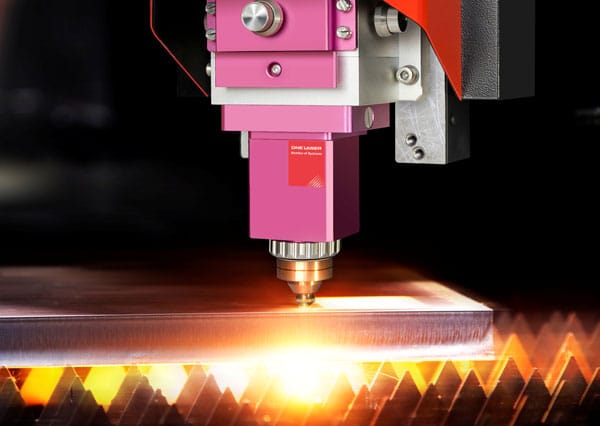
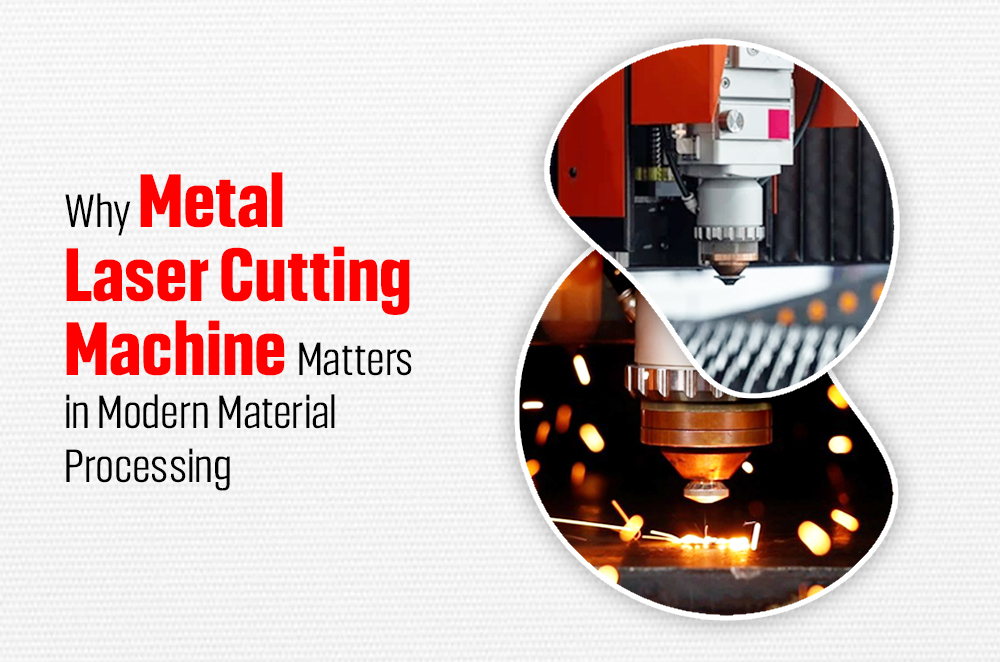
The operating principle behind a metal laser cutting machine is based on converting electrical energy into a highly focused beam of light. The process begins inside the laser source, where photons are amplified in a controlled environment. Inside the system, optical components guide the beam precisely toward the cutting nozzle where it is focused for processing. Once the beam exits, it becomes focused on a single tiny point on the surface of the metal workpiece. Since the beam carries a very high density of energy, it instantly heats the target area to extreme temperatures, which either melts or vaporizes the material in its path.
Unlike traditional cutting systems that physically press against the metal, laser cutting relies on thermal energy. This means there is no contact between the cutting tool and the material. As a result, there is very little mechanical stress during the operation, which helps to preserve the structural integrity of the part being processed. The melted or vaporized material is then blown away by a high-pressure assist gas, such as oxygen, nitrogen or compressed air. This gas also helps keep the cutting zone free from debris so the laser beam can continue moving smoothly.
The entire movement of the cutting head is controlled by advanced computer software that follows a digital design file. This allows the system to replicate intricate shapes, sharp corners and smooth curves with extremely high repeatability. The precision associated with this process makes it possible to cut thin as well as thick sheets of stainless steel, carbon steel, brass and aluminum, helping businesses meet a wide range of manufacturing requirements.
Key Benefits of Using This Technology in Modern Manufacturing
One of the most appealing advantages of laser-based cutting equipment is its ability to deliver incredibly precise and clean results. Manufacturers often struggle with excess material waste, uneven edges and repeated finishing work when using mechanical or thermal cutting tools. Laser technology helps overcome these issues by directing a narrow beam of energy through a small focal point, allowing it to create detailed cuts with little to no distortion. The narrow kerf width not only improves the quality of the cut but also ensures that raw material is used more efficiently. This becomes particularly important in industries where the cost of metal sheets is high and any savings in materials can have a significant impact on profit margins.
A major benefit is the ability of the machine to quickly adapt to different cutting tasks while maintaining fast operational output. Once a design is loaded into the control software, the same machine can produce a single prototype or hundreds of identical parts at a remarkably fast pace. Since the cutting process is non contact, there is very little wear and tear on mechanical components, which helps reduce maintenance costs and downtime. The system also allows for smooth transitions from one design to another without major physical adjustments. This makes it suitable for both mass production environments and custom job shops that focus on small batch orders. Businesses benefit from shorter lead times, improved customer satisfaction and a higher overall level of manufacturing efficiency.

Factors to Consider Before Purchasing One for Your Workshop or Factory
Investing in a metal laser cutting machine can significantly improve your production capabilities, but choosing the right model requires careful consideration. Every workshop has different operational needs, budget limits and long term goals, so it’s important to evaluate key factors before making a purchase. One of the first things to assess is the type and thickness of the metal you plan to work with. Different machines come with varying power outputs, and while a lower wattage laser may be perfect for thin stainless steel, it might struggle with cutting thicker carbon steel or aluminum.
Another important factor is the size of the working area. If your business regularly processes large metal sheets or wants to maximize production efficiency, then a machine with a larger bed size would be a better fit. On the other hand, smaller workshops focused on custom parts or limited runs might find compact models more suitable. In addition to size, pay close attention to the speed and precision of the system. A fast machine that delivers accurate cuts will help you meet tight deadlines without sacrificing quality. Software compatibility also plays a big role in overall productivity.
Look for systems that support common file types and offer a user-friendly interface, especially if your team is transitioning from manual tools or less advanced machinery. Support and training services provided by the manufacturer or supplier should not be overlooked either. Machines that come with reliable after-sales assistance, on-site training and prompt spare part availability can greatly reduce the risk of extended downtime. Making a well-informed decision will ensure your investment supports your business growth rather than creating additional challenges.
Common Challenges Operators Face and How to Overcome Them
While a metal laser cutting machine brings advanced precision and speed to production lines, it also introduces a set of operational challenges that must be managed carefully. One of the most frequent issues faced by operators is inconsistent cut quality. This can happen for several reasons, including improper focus adjustment, incorrect gas pressure or worn-out nozzles. Even small misalignments can result in burn marks, rough edges or incomplete cuts, especially when processing reflective or high-density materials.
Routine calibration and careful setup at the beginning of each shift can help reduce these quality fluctuations. Another common challenge involves managing the thermal effects of continuous cutting. Although laser systems are far more efficient than traditional methods, they still generate significant heat. If not properly managed, the heat produced during cutting may cause thinner metal sheets to bend or lose their original shape. Operators must understand the balance between speed and power settings and adjust them based on the material thickness and type. Many modern machines now include cooling systems to help control this heat, but the human factor, such as the operator’s skill and decision-making, still plays a major role.
The buildup of dust and debris can negatively impact both the motion systems and the optical components of the machine. Laser heads must be kept clean and protected from contamination to avoid loss of focus or reduced cutting power. Implementing routine cleaning and using enclosed machine setups can effectively reduce this risk. Lastly, many first-time users experience a learning curve when switching from manual or semi-automatic tools. Although most machines are now designed with user-friendly interfaces, some operators may require extra time and training to fully understand the software, motion control and safety features. Addressing these challenges with proper maintenance, training and process discipline ensures that businesses get the most out of their equipment without interruptions or unnecessary costs.
Future of Laser Cutting in Industrial Automation
Laser cutting continues to evolve alongside automation trends in modern manufacturing. As industries move toward connected systems and smarter production, these machines are becoming more efficient, adaptable and data-driven. Today, many laser cutting systems include features like real-time performance monitoring, predictive maintenance alerts and software integration with other factory systems. Laser cutting technology is increasingly being integrated with robotic automation systems.
From automatic material loading to post-processing tasks, this integration improves speed, consistency and reduces manual errors. Even small and mid-sized manufacturers are beginning to adopt these innovations to stay competitive. The future of fabrication will depend on flexible and intelligent systems, and laser cutting is positioned to play a central role in that transition.
Conclusion
A metal laser cutting machine is more than just a modern upgrade. It offers manufacturers a smarter way to achieve precision, reduce waste and meet growing demands without compromising on quality. With the right machine in place, workshops can take on complex projects and deliver faster results with confidence. If you’re planning to invest in a metal laser cutting machine, make sure it’s one that fits your production needs and comes with reliable support. At Business Point International, we offer expert guidance and trusted solutions across the UAE to help you make the right choice for long term success.