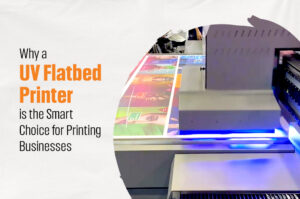
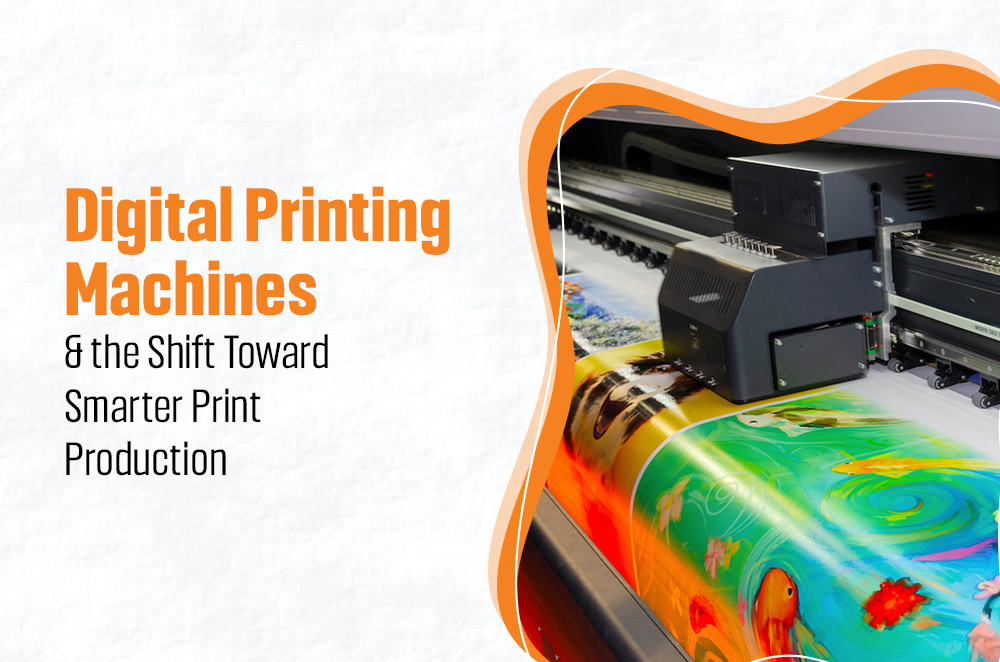
The digital printing machines has greatly changed the planning and delivery patterns of the printing businesses. Traditionally, the printing business focused on mass production and strict timetables. Nowadays, speed, flexibility, and accuracy took the leading position. This transition is aided by digital printing equipment as it helps to process jobs faster and simplify the customization. Companies can now carry out short production runs without wastage or the need to respond to customer demands in good time. The systems also help in minimizing the set up time and material wastage. With continuously increasing customer expectations, print service providers need to have solutions that are capable of responding to their daily production needs. Digital printing equipment is more than a tool of output; it is now a part of the modern printing plan.
 How Print Businesses Worked Around Limitations
Before digital printing machines became common, printing businesses had to work around many limitations every day. Production planning depended heavily on long preparation processes. A single job required multiple steps before printing could even begin. This often caused delays and increased pressure on teams. Printing in small quantities was rarely practical. Businesses were forced to print in bulk to justify setup time and cost. As a result, unused stock became common, especially when customer requirements changed. Mistakes were costly because corrections meant restarting the process from the beginning. Material waste and rework slowly reduced profit margins.
Customization was another challenge. Earlier systems were designed for repetition, not variation. If a customer requested design changes or personalized elements, production became slow and expensive. This limited the type of clients many printers could serve. Operational flexibility was also limited. Switching between jobs required time and manual effort. Skilled operators were essential for every stage, which increased dependency on specific staff members. When workloads increased, scaling production was difficult without investing in additional equipment.
These challenges created a gap between what customers wanted and what printers could deliver. This gap eventually pushed the industry to look for more adaptable solutions. That search led to the wider adoption of digital printing machines in modern production environments.
From Equipment Purchase to Operational Decision
Digital printing machines are no longer purchased only for production needs. Today, they are part of a wider business strategy. Printing companies now evaluate machines based on how they support daily operations, customer handling, and long term growth. This shift has changed how owners look at investment decisions. Earlier, machines were selected mainly for output capacity. Now, digital printing machines are chosen for flexibility and control. Businesses can manage smaller orders without affecting profitability. This allows printers to accept a wider range of jobs and serve more customer segments. As a result, revenue becomes more balanced instead of depending on bulk orders.
Digital printing machines also support better financial planning. Lower setup requirements help businesses avoid unnecessary spending on materials and labor. Owners can plan production based on confirmed demand rather than assumptions. This reduces risk and improves cash flow management. Another important factor is speed. Faster turnaround helps businesses meet tight deadlines and retain customers. Digital printing machines allow companies to respond quickly to urgent requests without disturbing ongoing work. This improves trust and builds long term relationships.
By treating digital printing machines as strategic tools rather than simple equipment, businesses gain better control over operations. This approach helps printing companies stay competitive in an industry that values speed, accuracy, and adaptability.
How Digital Printing Machines Fit Different Business Sizes
Digital printing machines are designed to support businesses at different stages of growth. Their value is not limited to large production units. Small printing businesses often use digital printing machines to enter the market with confidence. These machines allow them to accept varied jobs without heavy investment or complex setup. This helps small units compete with established players. For growing brands, digital printing machines support expansion without adding pressure on manpower or space. Businesses can increase job volume and handle diverse customer needs using the same equipment. This makes scaling more manageable and reduces operational stress. As demand increases, printers can maintain quality while improving turnaround time.
Industrial operations also benefit from digital printing machines in a different way. They use these machines to balance volume with customization. While large runs remain important, digital printing machines allow them to handle special orders and short runs efficiently. This flexibility improves production planning and customer satisfaction. Another advantage is consistency. Digital printing machines deliver stable output across different job sizes. This helps businesses maintain quality standards regardless of scale. From startups to industrial units, digital printing machines adapt to production needs without forcing businesses to change their working style. This adaptability makes digital printing machines suitable for a wide range of printing environments.

Why Digital Printing Machines Changed Daily Workflow
Digital printing machines have changed the way the traditional working day was in the print facilities. In the past, the teams planned their activities in line with the limitation of the machinery. Today, workflows are synchronized according to the requirements of each job. This has moved the productivity and reduced the daily stress. One of the greatest advantages is the ease of career change. Digital printing machines allow operators to change job without taking a long time of having to prepare. Jobs in the short term can therefore be achieved in a fast and profitable way. As a result, immediate requests and last-minute changes can be handled easier.
On demand printing has also become practical. Businesses no longer need to produce extra stock to stay efficient. Digital printing machines help print only what is needed, when it is needed. This reduces storage issues and material waste. It also helps businesses respond better to customer feedback.
Consistency plays an important role in daily operations. Digital printing machines deliver stable output throughout the day. This reduces rework and improves quality control. Operators spend less time correcting errors and more time managing production. By simplifying daily workflows, digital printing machines allow printing businesses to focus on service quality and timely delivery. This operational freedom is one of the main reasons these machines are now central to modern print production.
Digital Printing Machines and Material Freedom
Digital printing machines have expanded printing possibilities beyond traditional paper based work. Today, printing businesses handle a wide range of materials using the same production setup. This change has helped printers explore new markets and service requirements. Many industries now demand printing on flexible and rigid surfaces. Digital printing machines support this demand by allowing smooth printing on boards, films, labels, and other specialty materials. This flexibility helps businesses move into signage, packaging samples, interior applications, and promotional products without changing their core workflow.
Material freedom also reduces dependency on limited job types. Printers can accept diverse orders throughout the year, even when demand shifts between industries. Digital printing machines help maintain consistent output across different surfaces, which builds customer confidence and repeat business. Another advantage is reduced trial and error. Digital printing machines handle material changes with better control, reducing rejection rates. This saves time and material cost while maintaining quality. As businesses explore creative applications, digital printing machines support innovation without disrupting production stability. By printing beyond paper, digital printing machines help businesses unlock new revenue opportunities and stay relevant in a competitive market.
Cost Control Without Compromising Output
Managing cost is a constant challenge for printing businesses. Digital printing machines help control expenses without affecting print quality. This balance is one of the main reasons many businesses shift toward digital solutions. Traditional printing often involved high setup costs and material waste. Digital printing machines reduce these issues by minimizing preparation time and eliminating the need for plates. This helps businesses save money on each job, especially for short and medium runs.
Another advantage is better waste control. Digital printing machines produce accurate output from the start, which reduces reprints and rejected materials. Businesses spend less on raw materials and disposal. Over time, these savings contribute to healthier profit margins. Seasonal demand also becomes easier to manage. Digital printing machines allow businesses to adjust production volume without extra investment. During low demand periods, printers avoid unnecessary stock. During peak seasons, they can increase output without sacrificing quality.
By offering predictable production costs and consistent output, digital printing machines help businesses plan more effectively. This cost stability supports long term growth and reduces financial risk.
Why Choose Business Point International for Digital Printing Machines
Choosing the right supplier is as important as choosing the right machine. Business Point International understands the real production challenges faced by printing businesses. With experience in supplying digital printing machines, the company focuses on practical solutions rather than just specifications. Business Point International offers a wide range of digital printing machines suitable for different business sizes and applications. Each solution is selected to support productivity, quality, and long term reliability. The team works closely with customers to understand their workflow and recommend suitable options.
Strong after sales support is another key advantage. Business Point International ensures technical guidance, service assistance, and ongoing support. This helps businesses operate with confidence and reduce downtime. By working as a solution partner, Business Point International supports printing businesses in building efficient and future ready production environments.
Conclusion
Digital printing machines have become an essential part of today’s printing industry. They support faster production, better customization, and improved cost control. Businesses no longer depend only on volume to stay profitable. Instead, they focus on flexibility, accuracy, and customer satisfaction. From daily workflow improvement to long term growth planning, digital printing machines help businesses operate with confidence. They reduce waste, simplify production, and allow printers to adapt to changing market needs. This makes them suitable for both new businesses and established production units. As printing demands continue to evolve, investing in the right digital printing machines becomes a strategic decision. Businesses looking to improve efficiency and expand services should choose solutions that align with their goals. To explore reliable digital printing machines and professional support, visit Business Point International. Our team is ready to help you build a smarter and more efficient printing operation.