Over the last 10 years manufacturing has improved rapidly. The work of factories has been transformed by new machines, tools that are faster and improved production systems. Nevertheless, the welding process did not develop similarly over a long period of time. Workshops were still relying on the sluggish and irregular ways of welding that produced distortion of heat, coarse finishing and high demands of experienced welding personnel. These issues gradually began to influence production targets and overall quality of the completed products. Due to these issues, industries started seeking a more intelligent solution.
This search brought about a new technology that transformed the process of joining metals in factories. The modern laser welding machine was the solution. Precision, clean, and increased speed were introduced to this machine. It also assisted most businesses to develop quality and minimise labour stress. We describe the way this machine can be used to resolve real welding problems and why it is a useful upgrade in the eyes of manufacturers today. Conventional welding produces sparks and smokes heavily. There is a need to have workshops devoting additional time to cleaning and polishing of work after each job. This increases labour and time of production. These ancient techniques cannot sustain the increasing demands of industries since they desire faster and cleaner outcomes.
 Real Problems Factories Face With Old Welding Methods
Most of the workshops continue to rely on the traditional techniques of welding, which used to be handy some years ago but are insufficient in producing the current products. Welding in conventional methods forms a broad heat area and that is what makes thin and fragile materials distorted. As the material bends or loses shape, the workers need to repeat that process or make a replacement of the damaged section. This leads to a decrease in production and high costs. The other significant issue is a lack of skilled welders. Most factories find it hard to keep the quality constant as each welder does a different finish. Accuracy is also decreased in manual welding due to fatigue and long working hours. The more the welder is fatigued, the more errors on the job are exhibited.
Why Manufacturers Started Considering Laser Welding Machines
Industries across the world slowly reached a point where traditional welding could not support their new demands. Modern products require higher accuracy, cleaner joints and faster production. As companies moved toward electric vehicles, advanced electronics and lightweight machines, they needed a welding process that could keep up. This created a strong shift toward the laser welding machine. Manufacturers also started facing pressure to deliver defect free products. Customers expect smooth finishing and long lasting strength. Old welding methods often leave marks, spatter and discoloration that require extra polishing. With tight deadlines and more competition, many factories could not afford this extra work.
Energy usage also became an important concern. Businesses wanted machines that consumed less power and still delivered high speed performance. The laser welding machine became a practical choice because it supports clean welding, lower heat input and faster output. This moment became a clear turning point and encouraged factories to upgrade their welding systems.
What a Laser Welding Machine Actually Does
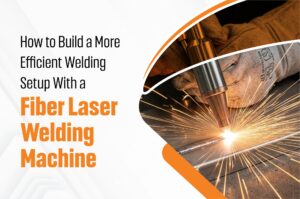
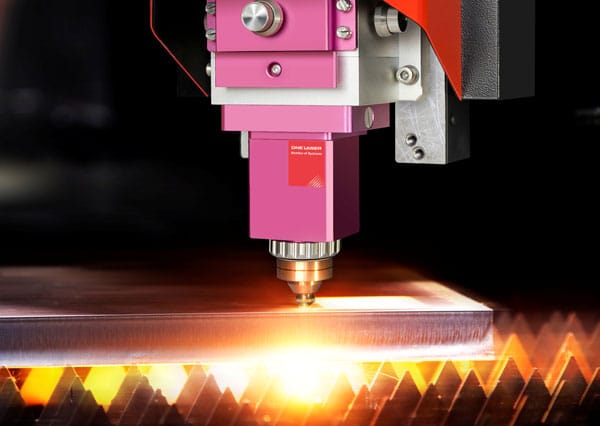
A laser welding machine may look modern, but its working process is simple to understand. The machine focuses a concentrated beam of light on the exact point where two materials need to join. This beam creates enough heat to melt the surface and form a strong weld. Because the beam is extremely narrow, the heat stays in a small area. This helps protect the rest of the material from burns or distortion. To understand this better, imagine a workshop joining thin stainless steel panels. Traditional welding may easily burn through the metal, but the laser welding machine melts only the precise line needed for the joint. The result is a clean connection with almost no marks or rough edges.
Another example is micro welding in electronics. The machine can join very small parts without touching them. This non contact process makes welding safer and more accurate. Whether it is used for large structures or delicate components, the machine delivers consistent results in every job.
What Makes a Laser Welding Machine Special
A laser welding machine stands out not just because of its power, but because of the value it brings to real factory work. First, it provides localized heat. This is because the weld area is the only part that heats and this minimizes chances of warping or damaging delicate components. This is colossal to manufacturers who deal in thin sheets or precision components. Second, this machine normally operates in a non-contact manner. The laser beam is not physically touching the parts so that chance of contamination or wear is less. This advantage particularly comes in handy with such industries as medical devices where cleanliness is paramount.
Third, it is capable of working with ultra-thin metals. Most conventional welders have difficulty in joining very thin sheets without burning them. It is reliably and cleanly done by laser welding. In addition, it is highly quick with repetitive tasks. This speed in large-volume production accumulates. Lastly, the welds are quite clean. It implies reduced polishing, reduced finishing, and enhanced product image. All these factors make a laser welding machine more than just a tool. It is a major strength in new age production.

Industries That Benefit the Most
Laser welding machines support many industries because it solves problems that traditional welding cannot handle easily. The automotive and electric vehicles market is the first industry which is benefiting. Battery packs, sensors and thin metal components require clean and precise welds. Laser welding offers the stability and accuracy that these parts need. The metal furniture industry is another great beneficiary. Stainless steel and decorative metals are used in many designs of furniture. The appearance of these materials should be smooth and have a minimum number of marks. Laser welding assists in making joints smooth which shorten the polishing time and enhance the general looks of the product.
There are also electronics manufacturers who rely on this machine. They frequently deal with small copper and aluminium components which can easily burn. Laser welding is precise in dealing with these delicate materials. Medical industry Laser welding is used to make surgical instruments and small implants which require sterile and high quality joints. Even jewellery makers make use of laser welding to carry out micro welds and finer detail. This is also beneficial to custom fabrication shops since they take shorter durations to finish jobs and provide cleaner results to their customers. Laser welding is needed in all these industries to perform better and to be of high standards.
Hidden Insights Most Buyers Do Not Know
Many buyers explore the idea of adding a laser welding machine to their workshop, but they often do not know the deeper technical points that influence real performance. One important insight is that higher power is not always necessary. Many factories think they must buy a very powerful machine, but in reality, two or three kilowatts can handle most welding tasks. The quality of the beam matters more than the power level. Another insight is the role of material cleanliness. Laser welding works best when the surface is free from dust and oil. A clean surface allows the beam to penetrate smoothly and create a strong joint. This small step can make a big difference in the final output.
Many buyers also do not realise that fiber lasers have replaced older technologies because they are more stable, energy efficient and easier to maintain. In addition, operators can learn to use the machine quickly. Even someone new to welding can produce high quality results in a short time. These insights help buyers make smarter decisions when choosing laser welding technology.
How to Select the Right Laser Welding Machine
Choosing the right laser welding machine is an important decision for any workshop or factory. The first step is to understand the type of materials you handle. If you work mainly with thin stainless steel or aluminium, you need a machine that offers stable low heat control. If your work includes thicker materials, then a machine with higher penetration ability will be more useful. You should also consider production volume. For high volume jobs, a machine that supports faster welding and continuous operation is ideal. Some workshops may also need automation features, such as robotic arms or conveyor integration. These features improve efficiency and maintain consistent quality.
Another key factor is the quality of the laser source. A good fiber laser source provides long life, stable output and low maintenance. You should also check the cooling system because it plays a major role in keeping the machine reliable during long hours of operation. Finally, avoid common mistakes such as choosing a machine purely based on power or low price. Instead, focus on your real production needs and the level of accuracy required. This approach helps you invest wisely and gain long term value from the machine.
Conclusion
The need to have better products and quick delivery is increasing in all industries. To conform to these expectations, factories require an accurate, consistent and efficient welding solution. A laser welding machine provides all these advantages and helps businesses move toward modern manufacturing standards. It minimizes distortion, enhances finishing and accommodates small and massive production requirements. Some of the benefits that many workshops, which changed to laser welding, have already enjoyed include less rework, cleaner joints, comfort by the operator and increased output.
These enhancements are a direct means of increasing business and saving towards the long term. With the incorporation of digital systems and automation in industries, laser welding is a significant component of the change. Manufacturers are at the right time to upgrade their welding process. They invest in laser welding to equip their workshop against future needs and also have a good competitive edge in the market.