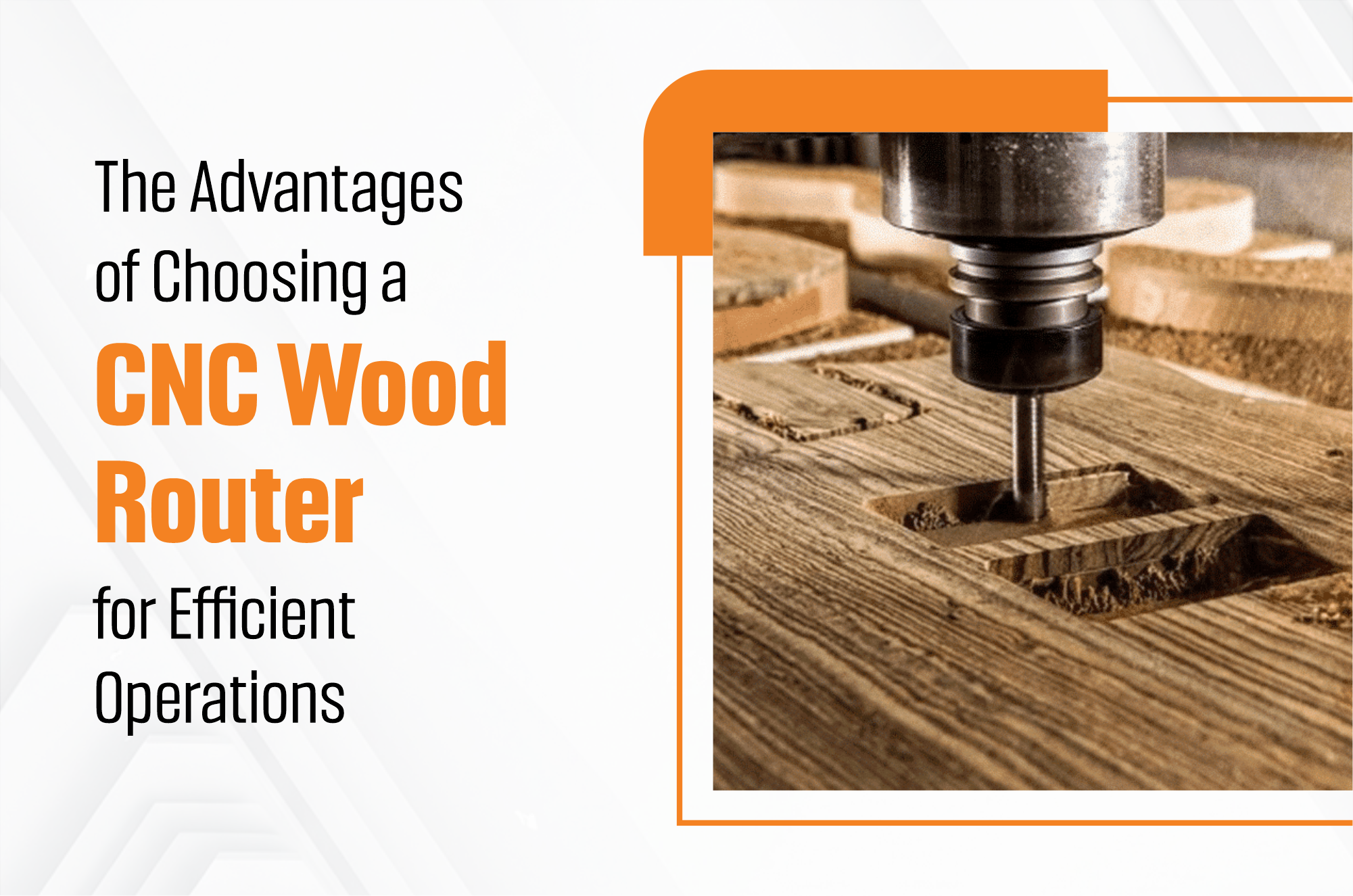
A furniture workshop can finish a set of cabinet doors and still lose money on the order. One panel needs a different cut-out, another does not fit during assembly and a third has to be made again. The extra work may seem minor, but it takes up time that the team could have spent on the next job. Custom woodworking brings this challenge because designs rarely stay identical from one order to another. A workshop might handle a single decorative panel in the morning and prepare dozens of cabinet components later in the day. Each job places different demands on the people, tools and production process. A CNC wood router can help manage certain cutting and shaping tasks through programmed instructions. Whether it makes financial sense, however, depends on the kind of work coming through the workshop. Order frequency, design changes, material use and time spent correcting mistakes all deserve a closer look before a business invests in the machine.
Where Custom Woodworking Orders Lose Time and Money
A delay in a woodworking shop does not always come from the cutting stage. Sometimes the trouble starts much earlier, when a drawing reaches the workshop floor or a customer changes a detail after production has begun.
Repeated Measurements and Manual Corrections
Consider a cabinet order with several panels that look almost identical. If workers measure and mark each piece separately, a small difference can go unnoticed until assembly. The team may then need to trim an edge, remake a component or adjust the adjoining parts. One mistake is manageable. Several mistakes across a large order can hold up the work that follows.
 Challenge of Handling Design Changes
Custom jobs bring another difficulty, the design can change after the first pieces are prepared. A customer might request a wider opening, a different handle position or a new decorative pattern. Workers must check which measurements have changed and identify the parts affected. These problems do not mean manual woodworking is unsuitable. For one-off pieces, it can offer flexibility. The difficulty arises when a workshop needs to repeat detailed operations across many components while keeping dimensions consistent. That is where reviewing the production method becomes worthwhile.
How a CNC Wood Router Changes the Production Process
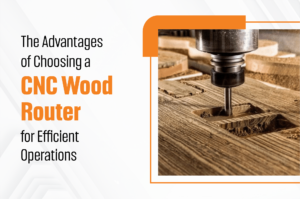
A drawing on a computer does not cut wood by itself. Before a CNC wood router can produce a component, the design needs to be prepared as instructions the machine can follow. This preparation connects the designer’s drawing to the actual cutting work.
From Digital Drawings to Machined Components
The process usually begins with a CAD drawing. CAM software then helps convert the design into toolpaths, which define how the cutting tool should move. The operator checks the settings, secures the material on the table and runs the job through the machine controller.
The result depends on the quality of the drawing, the selected tool and the machine setup. A poorly prepared file can still produce an incorrect component, even when the machine follows its instructions correctly.
Where Programmed Cutting Helps
Once a job has been prepared and checked, the same program can be used again for matching components, provided the material and setup remain suitable. This is useful for repeated profiles, grooves, cut-outs and decorative shapes that would otherwise require separate marking and machining.
| Workshop task | How programmed routing can help |
| Cutting a panel profile | Follows the planned cutting path |
| Making repeated cut-outs | Reuses the checked design instructions |
| Producing grooves | Controls the programmed tool movement and cutting depth |
| Carving decorative patterns | Follows suitable paths created from the design |
The main change is not simply faster cutting. It is the ability to prepare a job digitally and repeat the process with less reliance on marking every feature by hand.
Why Repeat Orders Require More Than Cutting Speed
Producing one finished cabinet door is different from making forty of them for the same project. The first piece may need adjustments before the dimensions and cutting settings are right. If the workshop has to work out the same details from scratch for every piece, the job becomes unnecessarily repetitive.
Keeping Component Dimensions Consistent
A CNC wood router allows an operator to reuse a prepared program for matching parts. This helps keep the intended cutting path consistent across a batch. However, the result still depends on secure workholding, correct tool settings and accurate material positioning. Reusing a program without checking these details can repeat the same mistake across several components.
Preparing for the Next Batch
The time between jobs also matters. A workshop may finish one order and immediately need to produce parts with different dimensions or profiles. Keeping design files organised and recording the settings used for previous jobs can make these changes easier to manage. Not every repeat order uses exactly the same material or design. A revised drawing may require a new toolpath, while a different board thickness can call for adjustments to the setup. The practical benefit comes from combining reusable programs with proper job preparation. Cutting speed alone cannot tell a workshop how efficiently it handles a full production schedule.
Material Waste Starts Before the Cutting Begins
A sheet of MDF may look large enough for an entire cabinet order, yet the final layout can tell a different story. Some pieces leave awkward gaps, while others must be carefully placed to match the grain or pattern of the surface. Nesting software arranges components on a sheet before cutting. There are a few things left for the operator to check:
• Space between parts: The cutter needs enough room to move without damaging neighbouring pieces.
• Material direction: Visible grain and surface patterns may limit how components can be arranged.
• Usable offcuts: Larger leftover sections may be suitable for smaller parts in another job.
Poor planning is not the only source of waste. An incorrect drawing or unsuitable cutting setting can spoil a panel even when the layout looks right on screen. If the mistake appears halfway through an order, the workshop may have to source more material and rearrange its schedule. A CNC wood router can follow a planned layout, but it cannot decide whether that layout makes practical sense. That decision still belongs to the person preparing the job.

What a CNC Wood Router Cannot Fix by Itself
Imagine cutting thirty cabinet panels from a drawing that contains one incorrect measurement. The machine may reproduce that error across the entire batch. Finding it after assembly begins is far more troublesome than catching it on the first piece.
Several checks matter before a full job gets underway:
• Drawing and toolpath: Confirm that the programmed dimensions match the finished part.
• Cutter choice: Use tooling suited to the material and the required cut.
• Workpiece security: Make sure the board cannot shift during machining.
• Machine condition: Check the cutter and machine components before production.
Wood-based materials also behave differently under a cutting tool. A setting that works well on MDF may need adjustment for plywood or solid timber. For a new design, cutting one sample first gives the operator a chance to inspect the dimensions and edges. It is a small step that can prevent a much larger problem later.
When Does Investing in a CNC Wood Router Make Sense?
The answer often becomes clearer when a workshop looks at its order book rather than the machine catalogue. A business producing the occasional one-off item may manage perfectly well with its existing tools. Another workshop might spend hours every week cutting similar panels, making decorative shapes or preparing components for repeat orders. Those are different production needs and should be assessed differently.
Assessing Your Current Workload
Look at the jobs that regularly cause delays. Are workers spending too much time marking repeated shapes? Do custom cut-outs require several manual operations? Are replacement parts becoming a regular expense? These are useful reasons to investigate CNC routing, although they do not automatically justify the investment.
Calculating the Real Cost
The purchase price is only one part of the calculation. Include programming, operator training, tooling, maintenance and the time required to prepare each job. Then compare those costs with the work the machine is realistically expected to handle. A machine that sits unused for long periods may be difficult to justify, even if it performs its intended operations well.
The workshop also needs suitable floor space, electrical supply, dust extraction and someone capable of preparing and checking jobs. Looking at these requirements early helps avoid buying equipment that does not fit the way the business operates. Two workshops making furniture can need very different machines. One may work mainly with small decorative panels, while another regularly handles large cabinet components. The parts being produced should guide the selection.
Match the Working Area to Your Components
BPI UAE lists the following working dimensions for its MW-1352 and MW-1530 CNC wood router models.
| Machine detail | MW-1352 | MW-1530 |
| Working width | 1,270 mm | 1,500 mm |
| Working length | 2,540 mm | 3,000 mm |
| Spindle | HSD 6 HP ER32 | HSD 6 HP ER32 |
| Table | T-slot | T-slot |
| Automatic tool changer | Optional | Optional |
A larger working area can accommodate bigger components, but it is worth measuring your actual parts before deciding. Also consider how the material will be loaded, secured and removed from the table.
Business Point International Featured Among Leading Exhibitors at SGI Dubai

SGI Dubai brings together leading international and regional brands in the signage, printing and graphics industries. It is creating valuable opportunities for businesses to explore the latest digital printing technologies and innovations. The exhibition provides a platform to connect with suppliers and identify solutions that support business growth and operational efficiency.
According to Sharif Rahman, CEO of International Expo-Consults (IEC), SGI Dubai enables visitors to explore emerging technologies and gain a competitive advantage by adopting innovative solutions. The exhibition attracts visitors from the Middle East, Africa, Asia, and Europe. Business Point International is listed among the participating brands alongside several renowned international and regional exhibitors. As a supplier of digital printing machines and industrial machinery, the company serves businesses looking for advanced reliable equipment. Its participation in the exhibition highlights the importance of connecting with industry developments and showcasing innovative products to a wider audience.
Look Beyond the Dimensions
The spindle, controller and available tooling matter just as much as the working area. Check that the proposed configuration suits your materials and cutting operations. Software compatibility, operator training and maintenance support also deserve attention before you commit.
Explore BPI UAE’s CNC Wood Router Options
Business Point International offers CNC wood router options for woodworking businesses evaluating their production requirements. You can review the CNC wood router models from BPI UAE and discuss your intended applications with the team before choosing a configuration.
Conclusion
A custom order can become less profitable through small setbacks that are easy to overlook when preparing a quotation. Extra cutting, replacement parts and time spent correcting mistakes all affect the final result. For some workshops, a CNC wood router may be a practical next step. For others, improving job preparation may be enough for now. The sensible choice depends on the work you handle, how often you repeat it and what your current process costs. Discuss your requirements with Business Point International before deciding which machine fits your workshop.