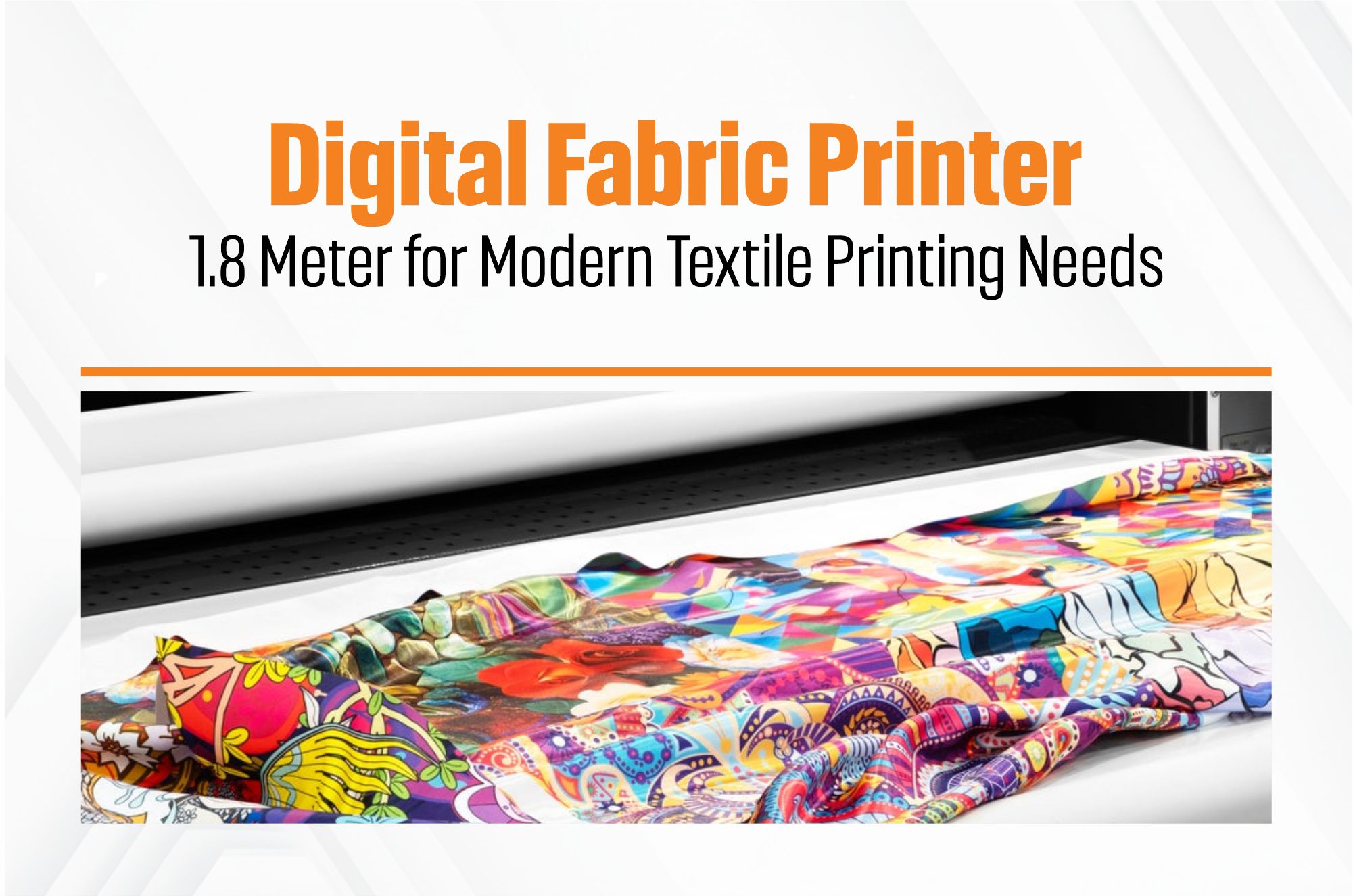
The textile printing industry has rapidly evolved in 2026. Customers are demanding high quality fabrics, fast delivery, customization of designs, and durable prints. Due to these changes, most companies are looking for printing equipment which can enhance production without creating extra waste. The digital textile printing machine that has attracted most interest within the textile industry is the digital fabric printer 1.8 meter by Business Point International. As you consider getting into fabric printing or upgrading your existing facilities, some issues might arise. Why is this printing machine relevant? Is this printer able to accommodate mass production of fabrics? Will this printer be effective in printing fashion materials, interior decor items, and soft signage? Let us address these and other concerns in this blog post.
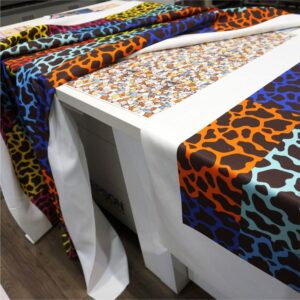 Why Is There a Rising Demand for Digital Fabric Printing?
Previous fabric printing techniques require more time to set up with more labor force and material wastage. But digital textile printing is a cleaner and quicker process. There is no need to make screens for each design and fabric can be printed right on. With the rapid change of fashion trends, garment manufacturers must also make short runs with short turnaround time. Hence, digital fabric printers are emerging as essential to the textile factories, printing companies, fashion brands and startup entrepreneurs. The digital fabric printer 1.8 meter is designed to meet the demand for modern printing in the printing industry, helping the industry cope with printing demands and meet printing requirements in terms of quality and color consistency.
What Makes a Digital Fabric Printer 1.8 Meter Useful?
Often, customers inquire about the importance of the 1.8 meters size option in the textiles industry. The solution is obvious. This machine size can cope with numerous types of materials and production needs without using much production space.
The machine is suitable for printing on materials used in:
• Fashion garments
• Sportswear
• Sarees and ethnic wear
• Home furnishing fabrics
• Curtains and cushions
• Soft signage applications
• Promotional textile products
With its optimal production width, enterprises can effectively handle custom orders and batch manufacturing.
How Does Digital Fabric Printing Improve Print Quality?
Printing is an important part in textile production. Printing mistakes might impact the look of the fabric, client confidence and repeat business. Hence, the modern digital fabric printer is made to generate crisp line details, bright colour, and even colour shifts. The digital fabric printer 1.8 meter is suitable for printing high quality textile materials and printing accuracy, and the printing performance is stable. Therefore, the businesses can get expert output in various fabric applications. Furthermore, digital printing enables businesses to create intricate designs and variations with multiple colors without paying for costly setups. The versatility allows brands to develop more innovative textile products and meeting market demands.
Why Are Fabric Printing Businesses Moving Away From Outsourcing?
In the past a lot of fashion companies and textile shops relied on third party printing companies for garment manufacturing. While outsourcing saved on initial investment, it also led to a number of business constraints. Issues such as delivery delays and variable print quality, communication problems, and reliance on outside suppliers became frequent problems.
This time, however, companies need more flexibility and control of the production schedule and quality of their products. Due to this reason, numerous textile producers opt for in-house printing systems. The purchase of a digital fabric printer 1.8 meter allows companies to take control of the printing process as well as enhance their production flexibility. It is extremely important for those who receive urgent orders and produce special textile collections.
In-house printing also enhances experimentation. The companies can try out new textile ideas, start limited collections and make product variations for customers without relying on minimum order quantity from suppliers. However, with more competition in 2026, brands with internal production capabilities tend to be quicker in keeping up with market trends than those who are completely outsourcing their production.

How is Digital Fabric Printing Changing Small Fashion Brands?
Today small fashion brands are in the same eCommerce competition with big fashion brands. In recent years, social media and eCommerce have given independent designers and start-up clothing companies opportunities to thrive. Yet these enterprises must have the ability to be flexible in their production systems. In order to keep up in the rapidly changing market. The traditional methods of textile production were mostly developed for mass production. Small companies often had trouble because they didn’t have enough funds for initial setup expenses or inventory risks.
With the advent of digital fabric printing, all this has been turned upside down. Multiply smaller print runs and still deliver print quality businesses can be proud of with a digital fabric printer 1.8 meter. This means that fashion startups can introduce collections without making a huge investment in unsold inventory. The device can also be used to make quick design changes. When a trend catches on online, brands can meet the demand quickly by creating new fabric designs and creating personalized apparel production. Flexible printing technology is now increasingly a business asset not only for textiles, but also for fashion which shortens its cycle each year.
Why is Fast Sampling Becoming Important in Textile Production?
In the textile sector, sampling is an important process before the actual production of the product. Typically, buyers, fashion designers or retail brands look for sample output before giving approval for bulk manufacturing. The slow sampling process may cause delays in Customer approval and impact overall production schedules. With competitive markets, the businesses that can make samples quickest tend to get the projects. Businesses can use a digital fabric printer 1.8 meter to produce samples of fabric in a shorter time. Digital printing does not require the usual pattern setup that would be required for traditional printing, allowing companies to try out various patterns and colors with efficiency.
Quick sampling is also beneficial for export businesses and fashion studios that are often in the position of having to make changes to designs. Businesses can speed up the process of output production and thus communicate with clients in a faster manner than waiting for days before the sample is developed. This is quite useful in business sectors where trends are crucial and products need to be produced in the right time to achieve a good sales.
How Does Digital Fabric Printing Help Seasonal Businesses?
There are a number of textile firms that have seasonal demand year round. Fabric printing needs fluctuate significantly with fashion festivals, holiday collections, exhibition events, school uniform orders, sports tournaments and promotional campaigns. Dealing with seasonality in demand may become difficult using conventional printing because the process is more time-consuming and requires greater commitment when it comes to production planning. Digital printing of fabrics proves to be more flexible in cases where the demand changes throughout the year, allowing the organization to print based on the present demand.
As an illustration, a fashion firm can manufacture special festive ranges in small numbers and develop new models if customers respond well. Promotional fabric printing firms may also easily process orders depending on events. The digital fabric printer 1.8 meter makes it easier to engage in such flexible manufacturing operations in modern textiles companies.
What Makes Fabric Printing a Growing Business Opportunity in 2026?
The fabric printing industry is growing rapidly because customer buying patterns are changing. Industry is now turning towards short runs of fashion collections, personalized clothing, and bespoke textile designs. Given this change, companies are seeking more rapid and flexible manufacturing options. In addition to this, the number of online fashion shops, print-on-demand companies and custom apparel brands are also growing all over the world. The expansion has given opportunities to textile printing companies that can provide quality product with quick turnaround.
The technology that aids this process in digital printing of textiles is because it alleviates the production limitations of conventional means. The importance of this machine arises due to the fact that its diverse uses become important for different textile sectors. In 2026, companies will be able to have diversified services rather than focusing on just one product line. In 2026, digital printing of textiles is not going to happen only in large industries. Other players that will contribute to this industry include small firms, online stores, fashion firms, and custom printing businesses.
How Can Business Point International Help?
The selection of a reliable machine supplier is as crucial as the selection of a machine itself. In the UAE market, Business Point International is renowned for their high technology printing and industrial machine solutions accompanied by professional support. The company provides high tech printing equipment, uv printers, laser cutting equipment and signage solutions along with other industrial equipments to the growing businesses. Their staff is also able to offer the guidance of the machine, installation help, after sales service for the customer. The digital fabric printer 1.8 meter is a convenient option for businesses seeking to standardize their expansion of textile printing with a blend of print quality, production flexibility, and modern printing technology.
Conclusion
The textile printing industry continues to grow and businesses need to adjust to customer expectations. In 2026, faster production, better fabric quality and customised printing are no longer an option. They are fast becoming a standard industry requirement. This digital fabric printer 1.8m can fulfill these requirements and provide stable fabric printing performance and application support. The digital fabric printing market can benefit from modern printing technology, as it enhances production capacity and expands the possibilities in the textile printing business while either launching a new business or upgrading an existing one.