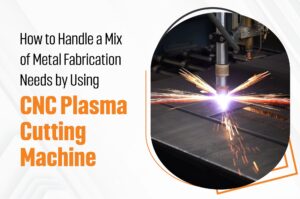
Monday’s production plan might look straightforward until a customer calls with a new requirement. A batch of mounting brackets is already waiting to be cut in the CNC plasma cutting machine. And another customer needs equipment panels, and an urgent order for custom plates has just arrived. All three jobs involve metal cutting, but they cannot necessarily be prepared or processed in the same way. This is a familiar situation for fabrication businesses that work on customer orders rather than manufacturing one product in large quantities. Drawings change, quantities vary and a component made last month may return with a different dimension. The workshop has to accommodate those differences while keeping existing orders moving.
 For some businesses, the difficulty becomes clear when they consider upgrading their cutting equipment. A machine that suits their regular jobs may not offer the working area or cutting capacity required for occasional orders. Turning down those jobs limits what the workshop can accept, but investing in equipment without understanding the actual workload can create a different problem. Choosing a CNC plasma cutting machine therefore starts with the work coming through the door. What materials do customers request most often? How frequently do unusual dimensions or thicker plates appear? Are most orders repeated components, or does the workshop deal with new drawings every week? The answers help establish what the machine needs to handle in everyday use. Rather than buying around a single familiar job, fabricators can assess their wider order mix and look for equipment that fits the work they genuinely expect to receive.
What Makes Mixed Job Production Difficult to Manage?
A drawing can look perfectly clear on a computer screen and still leave questions for the production team. Is the specified plate available? Will the component fit comfortably on the sheet? Does the cutting program need to be changed for this order? These details have to be settled before the operator can start the job. The situation becomes more complicated when orders differ considerably. A customer might request twenty identical brackets in the morning, followed by a one-off machine cover that afternoon. The first job has a known quantity and a repeatable layout. The second may need a fresh drawing review, a different cutting arrangement and confirmation of the required dimensions.
Material requirements bring another consideration. A workshop that mainly processes thin sheets may occasionally receive orders for thicker plates. The machine must be suitable for the intended material and thickness, while the operator needs to use the appropriate settings and consumables. Buying on the basis of maximum cutting capacity alone can leave important questions unanswered about the jobs the business handles most often. Then there is the delivery schedule. Small custom orders may take little time at the cutting stage, yet still require drawing checks and preparation. Meanwhile, a larger batch may already be committed to a customer with a fixed deadline in the CNC plasma cutting machine. If the workshop has no clear way to prioritise work, even a manageable order book can become difficult to coordinate.
These are not problems that can be solved by changing machines alone. Fabricators need to understand where their current process becomes difficult and which requirements occur most frequently. That information helps them decide what their CNC plasma cutting machine must support and where better job preparation could make a difference.
Match the Machine Setup to the Jobs You Actually Receive
Two fabrication businesses can have similar customer bases and still need different cutting machines. One may work mainly with smaller components, while the other regularly handles large plates that require more room for positioning and loading. Their requirements are different, even if both use plasma cutting for steel fabrication. Start with the dimensions of the work, not the machine catalogue. Make a list of the sheet sizes used regularly and the largest workpieces the workshop expects to process. Compare these with the available table dimensions. A larger table may be useful for certain jobs, but it should also make sense for the available floor space and the way materials are moved around the workshop.
Thickness needs a closer look as well. Buyers should identify the materials they cut most frequently and the range of thicknesses involved. They should then confirm the machine’s applicable cutting specifications with the supplier. Maximum capacity is only one part of the decision. The intended material and the requirements of the finished component also matter.
The control system deserves attention before a purchase is finalised. Ask which CAD/CAM formats are supported and how cutting programs are prepared. For a workshop receiving custom drawings, a practical programming workflow can be just as important as the mechanical specifications. Torch height control is another feature worth evaluating, particularly where maintaining the appropriate torch to workpiece distance is important for the intended cutting process.
Installation requirements should be checked early rather than after the machine arrives. The workshop may need to arrange a suitable electrical supply, fume extraction, safe access and enough room to load sheets. These details can influence both the machine configuration and the preparation work required at the site. When discussing options with a supplier, bring real drawings and examples of the jobs you intend to produce. This gives the conversation a clear purpose and helps establish which specifications matter for your workshop. It also makes it easier to distinguish between features you will use regularly and capabilities you may never need.

Organise Different Orders Without Making Every Job a New Challenge
A new order does not always need a new production routine from scratch. If a workshop has already cut similar components, the previous job may contain useful information. The drawing, approved cutting program and material details can give the operator a starting point, provided the new order has been checked for changes. Custom work requires a little more attention. Before sending a drawing to the CNC system, the team should confirm the dimensions, material grade and required quantity. A small mistake in the file can affect every part cut from that program. Checking the details before production begins is usually easier than dealing with incorrectly cut components later.
Sheet planning also needs to reflect the orders on hand. Imagine a workshop producing equipment panels alongside smaller brackets. Where the material specifications and job requirements allow, the team can use nesting software to arrange the parts efficiently on the available sheet. Combining jobs should still be a considered decision, especially when different customers require separate identification or delivery schedules. There is no need to treat every order as a completely separate process, either. When a customer returns with a repeat requirement, retaining the approved drawing and recording any changes can save preparation time. The operator can check the previous program, verify that it still matches the new specifications and prepare the job accordingly. Old files should not be reused without that check.
The production schedule should remain visible to everyone involved. Operators need to know which jobs are ready for cutting, which are waiting for material and which still need customer approval. This is particularly useful when urgent orders arrive during an already busy shift. A CNC plasma cutting machine can support this kind of varied workload, but the results also depend on how the workshop prepares its work. Clear job records, checked drawings and sensible scheduling give operators a more reliable starting point for each order.
Business Point International Recognized Among Leading Exhibitors at SGI Dubai
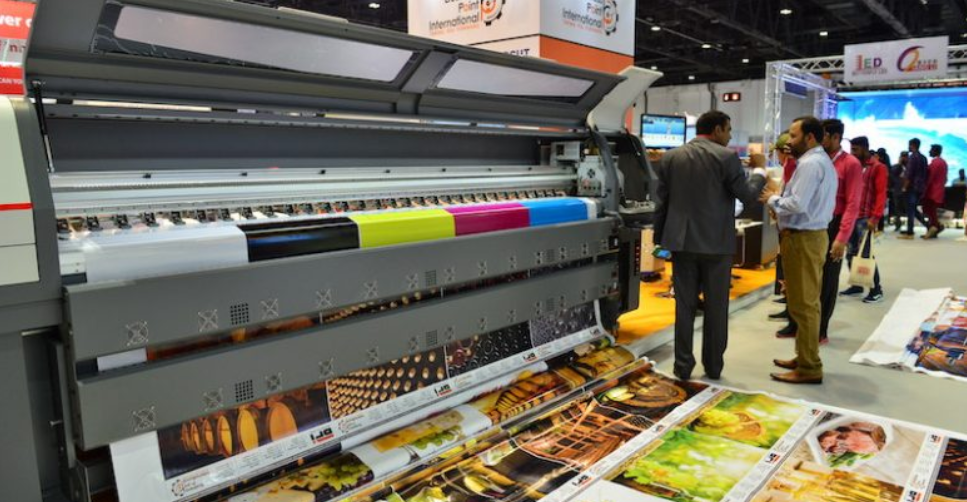

The 23rd edition of SGI Dubai highlighted a diverse lineup of international and regional exhibitors from the signage, printing and graphics industries. Among the companies mentioned in the exhibitor announcement was Business Point International, alongside several established brands and industry leaders from around the world. This announcement reflects the wide range of businesses contributing to the development of the printing and signage sector. Business Point International serves businesses with a range of industrial and digital printing machines including UV printers, sublimation printers, large-format printing machines, laser engraving machines, cutting plotters and metal fabrication machines. These technologies support different production requirements across signage, advertising, manufacturing and customization applications. Discover our range of printing and industrial machinery with us!
What to Check Before Investing in a CNC Plasma Cutting Machine
A quotation can look attractive until the workshop starts asking what is actually included. Does the price cover the required software and accessories? What needs to be arranged before installation? Who will help if the operator encounters a technical issue after the machine is running? Getting clear answers to these questions makes the purchase decision more informed.
Start by reviewing the proposed machine configuration against the work you expect to undertake. If custom components make up a large part of your business, check the control system, programming arrangements and compatibility with your existing design workflow. If larger plates are common, pay attention to table dimensions and material handling. Ask the supplier to explain any specification you are unsure about rather than assuming that every model offers the same capabilities.
Installation deserves its own discussion. Confirm the electrical requirements, site preparation, extraction arrangements and space needed for safe operation. Find out what the supplier provides during installation and whether operator training is available. These details help the workshop plan for the machine’s arrival and avoid leaving essential arrangements until the last minute.
Running costs should be considered alongside the initial investment. Plasma consumables need replacement, and their service life varies with usage, cutting conditions and material. Maintenance requirements, spare parts availability and access to technical assistance can also affect how the equipment fits into daily operations. Ask for practical guidance on these matters when evaluating a quotation.
It is worth considering the next stage of the business, too. A machine that meets today’s workload may remain suitable for years, but a workshop expecting a significant change in the types of jobs it accepts should discuss that plan with the supplier. Future requirements should inform the decision without leading to unnecessary spending on capabilities the business is unlikely to use. Before committing, ask the supplier to review your intended applications and confirm the relevant specifications in writing. A clear understanding of the machine, the installation arrangements and the ongoing support gives you a firmer basis for deciding whether the investment suits your workshop.
Find a CNC Plasma Cutting Machine for Your Fabrication Work
The right machine depends on the work your business wants to take on. A workshop producing standard components in batches may have different requirements from one handling custom plates, equipment panels and occasional specialised orders. Being clear about that difference helps narrow the options before you commit to an investment. Business Point International supplies industrial machinery for businesses across different sectors. If you are considering a CNC plasma cutting machine for your workshop, prepare a few details before speaking with the supplier: the materials you process, the thickness range, typical sheet dimensions and the kinds of components you expect to produce. These details help make the discussion specific to your applications.
You can explore the CNC plasma cutting machine from BPI UAE to review the available product information. Check the specifications carefully and ask the team to clarify any questions about configuration, installation requirements or suitability for your intended work. Planning to upgrade your metal fabrication setup? Contact Business Point International to discuss your requirements and identify the machine specifications worth considering for your production needs. A well informed decision starts with understanding the work your workshop needs to handle, not simply choosing a machine from a catalogue.