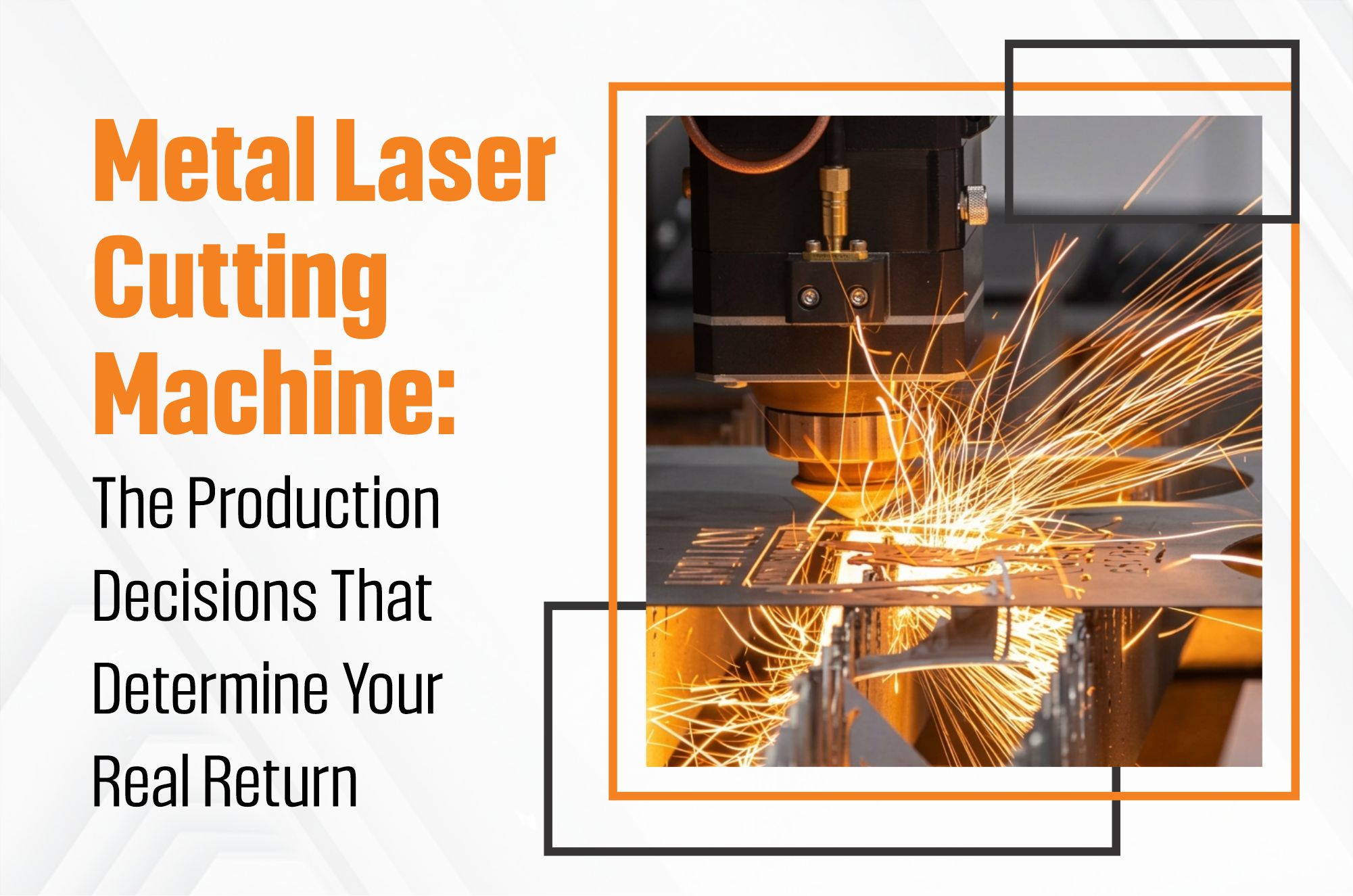
A fabrication workshop can have enough orders, operators and floor space yet still struggle to deliver jobs on time. Often, the issue begins at the cutting stage. Sheets may take too long to process, different jobs may require frequent setup changes or cut components may need extra finishing before they can move to bending, welding or assembly. As order volumes and product variations increase, these small delays can become a regular production constraint. This is why manufacturers should look beyond cutting speed when reviewing their production process. The real question is not simply how fast a machine can cut a sheet, but whether the complete cutting operation can consistently produce the parts the business needs, with acceptable quality, material usage and turnaround time. Before investing in a metal laser cutting machine, manufacturers should identify what is actually limiting their current process. It could be production capacity, material waste, rework, job changeovers or the type of components they now need to produce. Understanding that limitation creates a much stronger basis for deciding which machine capabilities are genuinely important.
 Why Machine Specifications Do Not Tell the Whole Story
A machine brochure can make equipment comparison look straightforward. Laser power, cutting speed, working area and maximum material thickness are easy to place side by side, but these numbers only become meaningful when they are connected to the work a manufacturer actually does. A workshop that regularly processes thin stainless steel sheets has different priorities from one producing thicker carbon steel components, even if both are looking for the same type of machine. Laser power is a good example. Choosing a higher-power system simply because it offers a larger maximum cutting capacity may not make sense if that capacity is rarely used. The same applies to maximum cutting speed. A figure quoted for a particular material and thickness does not necessarily represent the performance a manufacturer will experience across its entire production mix.
Working area, material handling, programming requirements and job changeovers can also influence daily output. A machine that looks impressive on paper may not improve production if it does not fit the workshop’s normal sheet sizes or workflow. For this reason, buyers should evaluate specifications against actual production requirements. Reviewing representative drawings, common material thicknesses, expected output and current bottlenecks gives a far clearer picture of whether a machine is suitable than comparing headline specifications alone.
How to Match Laser Capacity to Your Actual Work
Once the production bottleneck is clear, the next step is to define what the machine needs to handle on a normal working day. This is where buyers should look beyond the maximum capability listed in a specification sheet. The most useful configuration is usually the one that matches the materials, sheet sizes, component designs and production volume the business deals with regularly.
|
Production requirement |
What to evaluate |
Why it matters |
|
Material and thickness |
Regular materials and thickness range |
Helps determine the required cutting capacity |
|
Sheet dimensions |
Working area and material handling |
Ensures the machine suits commonly used sheets |
|
Component design |
Shape, detail and hole requirements |
Helps assess whether the system fits the parts being produced |
|
Production volume |
Expected daily or monthly output |
Indicates the level of machine capacity required |
|
Future requirements |
Likely changes in products or materials |
Helps avoid choosing equipment that becomes restrictive too soon |
Laser power deserves particular attention, but it should be considered alongside the material thicknesses that make up most of the workload. A manufacturer that occasionally receives a thick-material order does not necessarily need to select its entire system around that one requirement. Looking at the regular production mix provides a more realistic basis for investment. The same thinking applies to working area and production volume. A machine should accommodate the sheet sizes used in the workshop while fitting into the way materials are loaded, moved and processed. Buyers should also consider representative component drawings and actual production targets before making a final decision. Sharing these details with a supplier can make machine recommendations far more relevant than choosing from specifications alone.
Where the Real Cost of Metal Cutting Comes From
The purchase price is only one part of what a cutting system costs a manufacturer. Over time, material usage, machine operation, labour, consumables and rework can have a greater effect on the cost of each component. This is why two machines with similar specifications can produce very different results for the same business. Material is often the first place to look. How efficiently parts are arranged on a sheet can influence the amount of usable material left after cutting. Then there is the time involved in loading, setting up jobs, sorting components and handling different orders. If a cut part needs additional correction or finishing, that extra work also becomes part of its production cost. A more useful way to assess the economics is to look at the cost of producing an acceptable component rather than simply measuring machine speed.
Cost per acceptable component = Total relevant cutting cost ÷ Number of acceptable components produced
For a meaningful comparison, manufacturers can examine:
• Material consumed and scrap
• Machine operating costs and consumables
• Operator and handling time
• Rework or rejected components
• Production downtime
Actual costs will vary according to material, thickness, machine configuration, production volume and local operating conditions. The important point is that a machine should be evaluated by the production result it delivers, not just by its purchase price or advertised cutting speed.

Fiber Laser vs Other Metal Cutting Methods
A manufacturer considering a new cutting system does not always need to choose between one laser machine and another. The more important decision can be whether laser cutting is the right technology for the work in the first place. Fiber laser, plasma and oxy-fuel systems each have applications where their capabilities can make sense, so the comparison should begin with the material and production requirement rather than the technology name.
| Cutting method | Where it may fit | What the buyer should consider |
|---|---|---|
| Fiber laser | Sheet metal, detailed profiles and applications requiring controlled cutting | Material type, thickness, production volume and part complexity |
| Plasma | Suitable plate and fabrication applications | Required thickness, edge requirements and operating conditions |
| Oxy-fuel | Certain heavy carbon steel applications | Material type, thickness and the required cutting result |
For manufacturers working with sheet metal and detailed component profiles, a fiber laser can be an attractive option because the process is computer controlled and suited to producing programmed shapes. However, that does not make it the automatic choice for every fabrication requirement. A business regularly working with heavier plate, for example, may have different priorities from a workshop producing intricate sheet components. The decision should therefore consider the materials and thicknesses processed most often, the quality expected from the finished edge, production volume and the way cut parts move into the next stage of fabrication. Existing equipment also matters. Replacing a cutting method can involve operator training, workflow changes, installation work and new maintenance requirements. The right technology is ultimately the one that fits the work the business needs to produce consistently. Comparing actual production requirements before comparing machines helps prevent a manufacturer from investing in capability that looks impressive but provides little practical value.
What to Check Before Bringing a New Machine Into Production
Selecting the right machine is only part of the investment. A cutting system also needs the right working environment, trained operators and a clear plan for installation before it can become a dependable part of daily production. Overlooking these details can turn an equipment upgrade into an avoidable delay.
Before placing an order, manufacturers should confirm a few practical requirements:
Workshop space: Check the machine footprint, access routes and space needed for loading and unloading material.
Electrical requirements: Confirm that the available power supply matches the equipment and installation requirements.
Safety and extraction: Review the required safety arrangements and fume or particle extraction for the intended application.
Operator preparation: Identify who will operate the machine and what training they will need.
Maintenance and support: Understand routine maintenance requirements, consumables, spare parts and the process for obtaining technical assistance.
Installation and commissioning: Clarify what the supplier handles during installation and when the machine is expected to be ready for production.
These points are easy to overlook when the focus is mainly on laser power or cutting capacity. Yet a machine delivers value only when it can be installed correctly, operated confidently and maintained as part of the workshop’s normal production routine. Discussing these requirements with the supplier before purchase can also reveal practical constraints early, when they are easier to address.
How to Evaluate a Metal Laser Cutting Machine Supplier
A suitable machine can still become a poor investment if the equipment selection and support process are unclear. Buyers should therefore evaluate the supplier with the same care they give the machine itself. The aim is not simply to find a company that can provide equipment, but to understand how well the proposed solution fits the production requirements identified earlier.
Before making a decision, it is worth asking the supplier:
• Can the machine be evaluated using the materials and thicknesses we normally process?
• Can representative component drawings be used for a cutting demonstration?
• What installation conditions need to be prepared at our facility?
• What operator training is included?
• What does the warranty cover and for how long?
• How are maintenance, spare parts and technical support handled after installation?
• Which consumables and routine maintenance requirements should we plan for?
• What information do you need from us to recommend the appropriate configuration?
A good equipment discussion should not begin and end with laser power or the purchase price. Sharing actual production requirements gives the supplier a better basis for recommending a suitable system and allows the buyer to identify limitations before committing to the investment. This also makes the comparison between suppliers more meaningful. Instead of asking only who offers the lowest price, manufacturers can compare the proposed machine, installation process, training, support and suitability for their actual workload. That approach can help turn an equipment purchase into a more considered production decision.
Choosing a Suitable Solution with Business Point International
Once the production requirements are clear, the next step is to discuss them with a machinery supplier that can assess the application rather than treating every buyer the same. The useful information is usually straightforward: what metals are being cut, which thicknesses are common, what sheet sizes are used, how much work is expected and which problems the current process is creating. At Business Point International, these details provide a practical starting point for discussing a suitable metal laser cutting machine. Sharing representative component drawings can also make the conversation more specific because the required cutting capability depends on the parts a manufacturer actually needs to produce. This gives both the buyer and supplier a better basis for discussing machine configuration and production requirements.
The discussion should also cover the conditions beyond cutting itself, including installation, operator training, maintenance and technical support. Looking at these factors before purchase helps manufacturers understand what is required to bring the equipment into their existing workflow. Businesses can explore the metal laser cutting machine solutions from Business Point International and contact the BPI team with their material, thickness and production requirements. A more detailed enquiry can lead to a more relevant equipment recommendation than selecting a machine from specifications alone.
Business Point International Showcases Innovative Digital Printing Machines at SGI Dubai
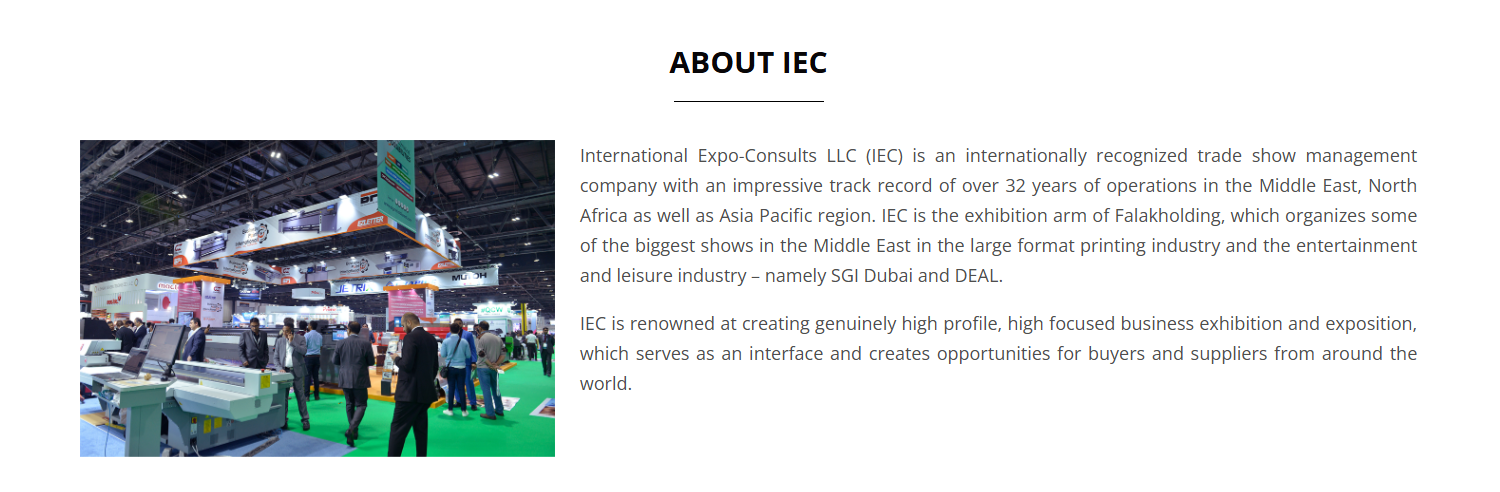
Business Point International was proud to participate in SGI Dubai, a leading exhibition for the signage and graphics. The event provided an excellent opportunity to showcase our range of advanced digital printing machines, UV printers, sublimation printers, flatbed printers, roll to roll printers, eco solvent printers, hybrid UV printers and other innovative printing solutions. We were delighted to connect with industry professionals, explore emerging technologies and exchange ideas about the evolving needs of the printing and signage sectors. Our participation reflects our continued commitment to providing reliable machinery and innovative solutions that help businesses improve productivity and expand their capabilities. Thank you to everyone who connected with Business Point International during SGI Dubai!
Also, Check Out Our SGI Dubai Event Highlights Video (2019 – 2024)
SGI Dubai 2019 – Showcasing our latest digital printing machines at SGI Dubai. Watch the highlights: [https://youtu.be/RZnjD9cW9WE] [https://youtu.be/MVXMp17whGU]
SGI Dubai 2020 – The future of digital printing machines unfolds at SGI Dubai. See the event videos : [https://youtu.be/SHPgbfXk25s] [https://youtu.be/0ltRPVyB72w]
SGI Dubai 2023 – Bringing together industry leaders and advanced digital printing machines at SGI Dubai. Experience it here: [https://youtu.be/UWIoG61WJgk]
SGI Dubai 2024 – A stage to present modernized digital printing machines. Check out our event highlights: [https://youtu.be/94gKmneM6cE]
Final Buyer Checklist
Before choosing a metal laser cutting machine, manufacturers should make sure the decision is based on actual production needs rather than headline specifications. A simple final review can help
• Confirm the metals and thicknesses processed most often.
• Check whether the working area suits regular sheet sizes.
• Match laser capacity to expected production volume.
• Review material usage, operating costs and possible downtime.
• Compare laser cutting with other suitable cutting methods.
• Confirm electrical, space, safety and installation requirements.
• Ask about operator training, maintenance and technical support.
• Request a cutting test using representative materials and component drawings.
• Compare the complete solution rather than purchase price alone.
A machine becomes a worthwhile investment when its capability matches the work, fits the production environment and can be supported reliably after installation.