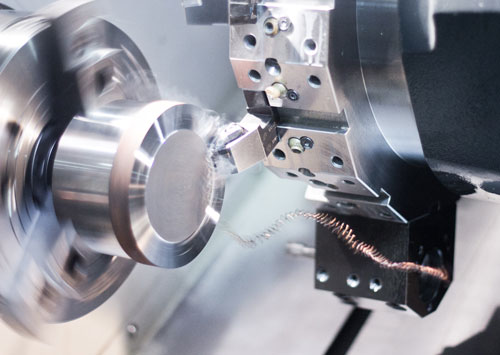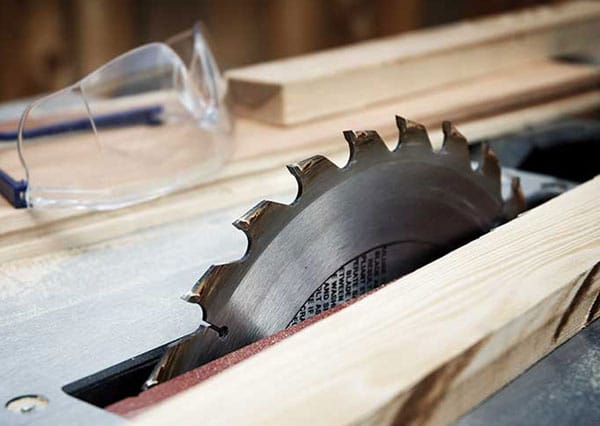
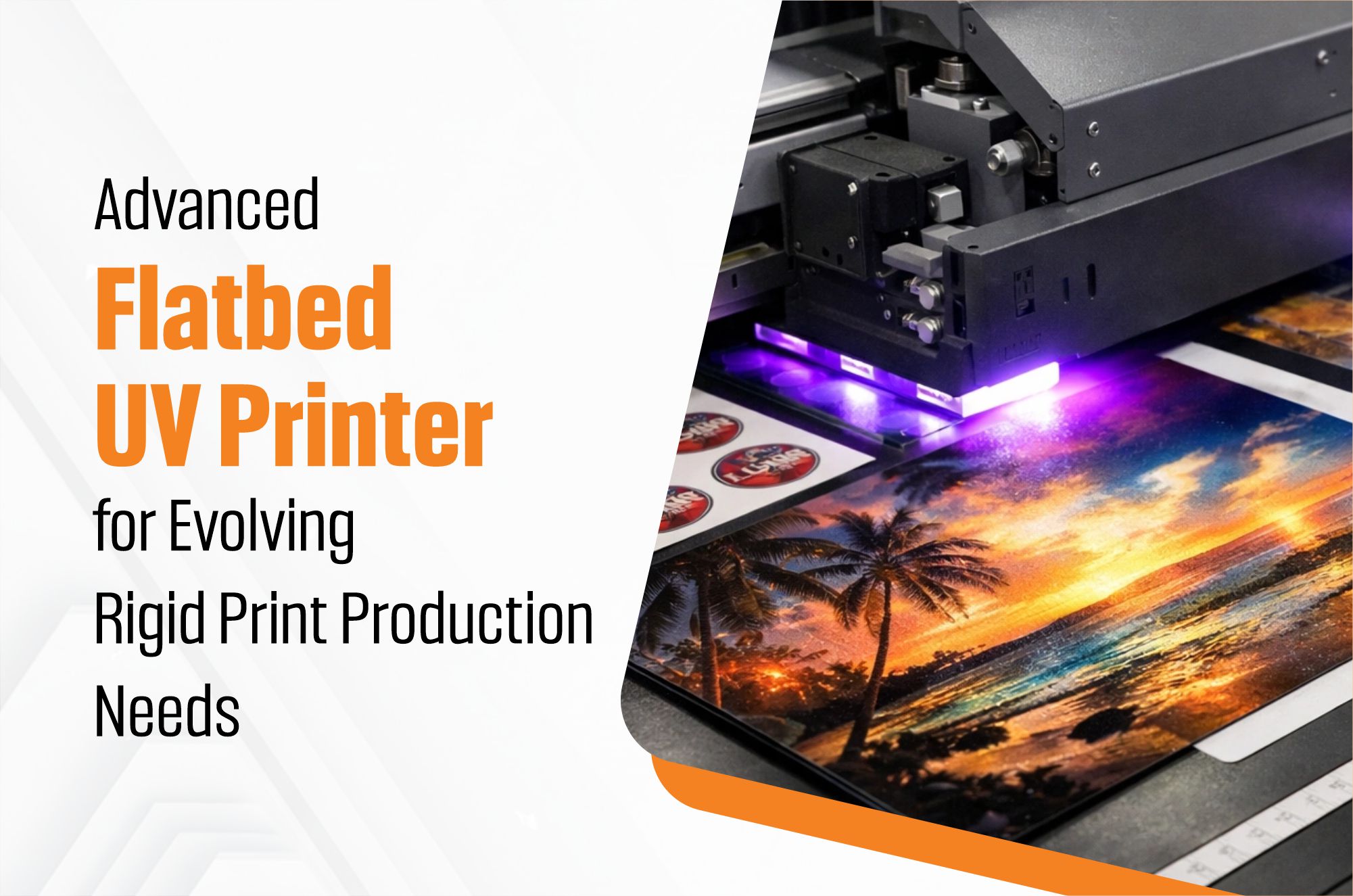
A 20 piece printing order does not always mean 20 simple prints. One customer may need acrylic panels with different designs, another may want branding on wooden boards and a third may ask for a small batch of display pieces. The quantities are modest, but each job still has to move through preparation, material handling, printing and finishing. That is where a busy print business can lose time. The machine may not be sitting idle, yet production can still feel slow because operators are constantly preparing different materials and moving individual jobs through separate stages. A small customised order can occupy almost as much attention as a much larger batch.
 This becomes more noticeable when rigid materials are involved. A print shop handling boards, panels or finished products cannot always treat every order in the same way. Changes in size, surface and artwork can create extra handling between jobs, especially when the existing setup was designed around more predictable production. A flatbed UV printer becomes relevant in this situation because it is designed around direct printing onto suitable rigid substrates. Instead of looking at the machine simply as another way to produce graphics, it is more useful to ask a different question: can the printing setup make varied rigid orders easier to handle without turning every small job into a production interruption?
Why Rigid Short Run Jobs Can Disrupt a Busy Print Floor
A print floor usually runs more smoothly when similar jobs can stay together. The difficulty starts when orders arrive in small batches with different requirements. One job may need a large board, while the next involves several smaller pieces. The artwork may also change from one order to another, leaving the operator with very little repetition to work with. Rigid substrates make this more noticeable because the material itself has to be managed carefully. Boards and panels need to be positioned properly before printing, removed without damaging the surface and moved to the next stage after the job is complete. When those actions happen repeatedly for small orders, operator time can accumulate even though the actual printed area is not large.
There is another issue that often goes unnoticed. A production schedule can look full without generating a high volume of finished output. Several small orders may occupy the same working hours that could have been used for a longer production run. If a business regularly accepts customised signage, display panels or decorative pieces, this gap between order volume and production efficiency can become difficult to ignore. This is why short run rigid printing needs to be viewed differently from simply asking how quickly a printer can produce an image. The more useful question is how easily the equipment can accommodate changing jobs without creating unnecessary disruption between them. A suitable flatbed UV printer can become part of that solution by giving businesses a printing format built around rigid substrates and varied production requirements.
The goal is not to make every order identical. It is to make a production environment where different orders can move through the shop without each one demanding a completely different printing routine.
Printed Surface Is Part of the Product
Some printing jobs end when the graphic comes off the printer. Others do not. When the material itself becomes part of a sign, display, panel or finished product, the printed surface has to meet the expectations of the final item. A graphic that looks acceptable on a sheet may need a very different approach when it is being printed directly onto acrylic, wood, PVC or another rigid surface.
This changes the operator’s priorities. The material needs to remain properly positioned, the artwork has to align with the physical dimensions and the ink needs to produce the intended appearance on that particular surface. A transparent panel may require a different approach from a dark board, while a textured material can behave differently from a smooth one. That is one reason direct-to-substrate printing has become useful for businesses handling customised rigid products. Instead of creating a graphic separately and then finding a way to transfer it onto the finished material, the printing process can be planned around the substrate itself.
A flatbed UV printer is built for this type of work. Its flat printing area allows suitable rigid materials to be positioned directly for printing, making the physical substrate an active part of the production process rather than something handled only after the graphic has been produced. This distinction matters when the business is not simply selling printed artwork. It may be delivering a branded panel, a decorative surface, a promotional display or another finished item where the quality of the print and the material need to work together. Once that becomes a regular part of production, the printing method has to fit the product rather than forcing the product to fit the printing process.
What Changes When Ink Is Cured During the Print Process
The useful part of UV printing is not simply that ultraviolet light is involved. It is what that curing process allows the printer to do with the printed surface. UV-curable ink can be cured during the printing process, so the image does not have to depend on a long conventional drying stage before the material can be handled. For rigid products, that difference can matter. A panel may need to move from printing to inspection, cutting, assembly or another finishing stage without sitting aside for an extended drying period. When several small orders are moving through a production area, reducing this waiting point can make the overall process easier to organise. The printing process can also be adapted to the visual requirements of the substrate. White ink, for example, can be useful when graphics are printed on dark or transparent materials because it can provide a base for colours that would otherwise lose their visual impact. This becomes particularly relevant when the same business handles different types of customised rigid work.
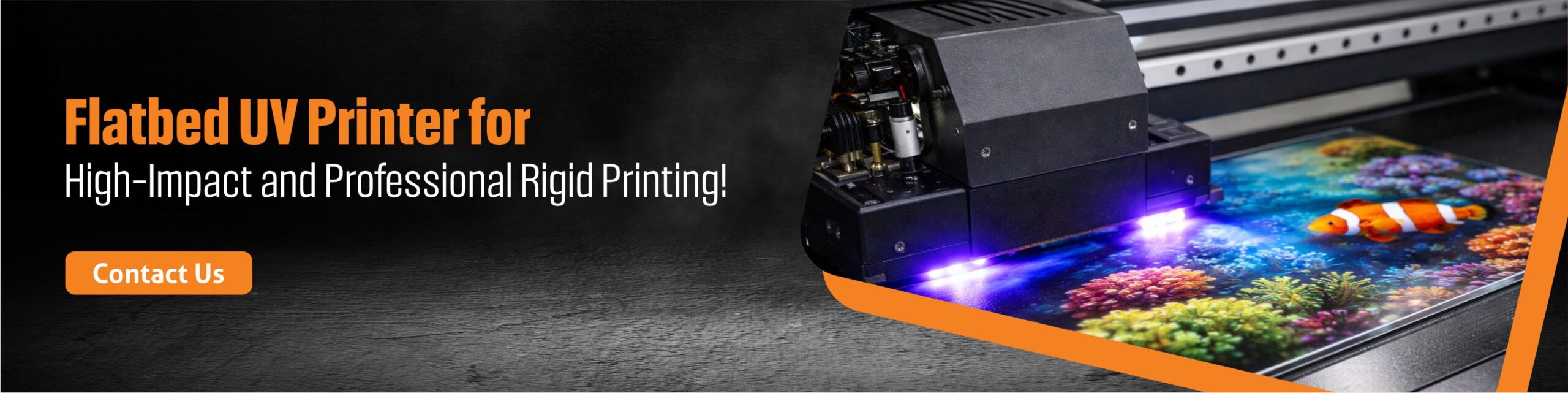
A flatbed UV printer brings these elements together on a flat printing platform. The substrate is positioned on the bed, the design is printed directly onto the suitable surface and UV light cures the ink as the printing takes place. The result is not just a different printing method. It changes how a rigid piece can move through production after the image has been applied. That distinction is important for businesses handling varied orders. The advantage does not come from UV curing in isolation. It comes from how direct printing and curing can fit into a production process where materials, designs and quantities keep changing.

When a Small Design Change Creates a Big Production Problem
Customer orders can change just before production. A logo may be replaced, a colour adjusted or the quantity reduced. When several preparation stages are involved, even a small change can disrupt the job. With a flatbed UV printer, suitable rigid substrates can be printed directly with the revised artwork. This can reduce some intermediate handling while still requiring proper file preparation and quality checks. For customised signage, branded panels and promotional products, this flexibility is useful when every order has different designs or quantities. The value is not just in printing the artwork, but in making frequent changes easier to manage.
Jobs That Become Difficult When Every Order Is Different
A difficult printing job is not always a large one. A busy day may involve panels of different sizes, small batches of branded pieces or decorative boards with individual designs. With little repetition, each order can require new material positioning, artwork adjustments and handling.
Short run jobs can become inefficient when preparation and material movement take up a large part of the production time. This can make some customised orders harder to schedule or complete within the expected turnaround. A flatbed UV Printer can suit businesses where this type of varied rigid work is common. Direct printing on suitable substrates allows different designs, sizes and quantities to be handled with greater flexibility. Still, not every rigid printing job requires UV flatbed technology. The material, surface, artwork and production needs should determine whether it is the right fit.
Where a Flatbed UV Printer Can Remove Unnecessary Steps
Production time can be lost between printing stages. Preparing materials, transferring graphics, moving jobs between equipment and waiting before handling can add extra work, especially for small customised orders. Direct printing can simplify suitable rigid jobs by placing the artwork directly onto the prepared substrate. With a flatbed UV printer, UV curing also allows the printed surface to move to handling or inspection soon after printing, depending on the material and setup. For businesses managing several varied orders, this can reduce unnecessary movement and make scheduling more flexible. The aim is not to remove every production step, but to make the overall process easier to manage.
Where a Flatbed UV Printer Can Remove Unnecessary Steps
Production time is often lost between printing stages rather than during printing itself. Preparing a graphic, transferring it onto a rigid surface, moving materials between equipment and waiting before handling can add unnecessary work to small customised orders. A flatbed UV printer can simplify suitable jobs by printing directly onto the prepared rigid substrate. UV curing also allows the printed piece to move to handling or inspection soon after printing, depending on the material and machine setup. For businesses handling varied orders, this can mean less material movement and fewer intermediate stages. The real advantage is not removing every production step, but making the overall process easier to organise.
Wrong Reason to Buy a Flatbed UV Printer
Buying a flatbed UV printer simply because UV printing is popular is not enough. The machine should solve a real production need. Look at the orders already coming in. Are customised rigid jobs increasing? Are small batches difficult to handle? Are suitable jobs being outsourced because the current setup is inconvenient? If these problems are becoming regular, a UV flatbed may have a practical role in the production floor. The right investment starts with identifying the problem first, then choosing equipment that addresses it.
Match the Machine to the Work You Actually Produce
Once the production problem is clear, machine specifications become easier to evaluate. Start with the size and thickness of the rigid materials you handle most often. The print bed and material clearance should suit those requirements rather than being chosen only for a larger number on a specification sheet. The same applies to print quality, ink configuration and white ink capability. If your orders include detailed graphics, dark surfaces or transparent materials, these specifications can directly affect the type of work you can produce. Also consider the working environment. Software, operator training, maintenance and after-sales support can influence how easily the machine becomes part of everyday production.
The best specification is therefore not necessarily the biggest one. It is the combination that matches your materials, order sizes and regular workload.
Business Point International Among Visionary Brands at SGI Dubai

Business Point International is proud to be part of the leading industry brands participating at SGI Dubai. It is one of the prominent events for the signage, digital printing, graphics and visual communication industries. The event brings together renowned international and regional companies, creating an excellent platform for industry professionals to discover the latest technologies and innovations. The image highlights the strong lineup of exhibitors participating at SGI Dubai, featuring well-known names from across the global signage and printing sector. Business Point International stands among these visionary brands, representing its commitment to providing advanced machinery and professional solutions to businesses across the UAE. Here in SGI Dubai, we got the opportunity to connect with industry professionals, customers, manufacturers and business partners.
Finding the Right Printing Setup for Your Production
Choosing a printing machine becomes easier when the discussion starts with the work rather than the equipment. The materials you use, typical order sizes, design requirements and production volume all help determine what kind of setup makes sense. Business Point International supplies industrial printing equipment for businesses looking to expand or improve their production capabilities. Its flatbed UV printer can be considered for applications involving suitable rigid substrates and customised print requirements. If you are planning to add UV flatbed printing to your production floor, discuss your actual materials, print sizes and expected workload with Business Point International. A machine selected around those requirements can be more useful than one chosen purely from its specification sheet.
Conclusion
Small customised orders can create more production work than their quantity suggests. Different materials, changing designs and repeated handling can place pressure on a printing setup that was built for more predictable jobs. A flatbed UV printer offers a different approach by supporting direct printing on suitable rigid substrates with UV curing during the process. For businesses regularly dealing with varied rigid print work, that can make the production setup more adaptable. The important step is to identify the problem first. Once you know which jobs are creating delays, extra handling or outsourcing costs, you can decide whether a UV flatbed printer fits your operation and what machine specifications actually matter.