
Manufacturing has always relied on strong and reliable welding techniques. In today’s industrial world, the demand for accuracy, speed, and consistency has never been higher. Businesses across automotive, aerospace, and heavy industries seek solutions that meet these standards without compromising on quality. This is the point where a fiber laser welding machine proves to be indispensable. Unlike traditional welding tools, which depend on manual effort and heat intensive methods, this advanced technology uses concentrated laser energy to fuse metals.
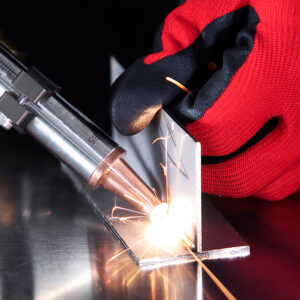 The result is a cleaner, stronger, and more efficient weld. Manufacturers now prefer this method because it delivers precision even in high volume production environments. The importance of adopting this technology is growing with the rise of automation and smart manufacturing. Companies that rely on outdated methods risk falling behind in both performance and profitability. A fiber laser welding machine represents more than a simple piece of equipment. It is a critical component in achieving operational excellence and meeting the standards of Industry 4.0. This blog explores how this technology differs from conventional approaches, its hidden benefits, and why it is becoming the preferred choice for modern factories. We also discuss why partnering with a trusted supplier like Business Point International ensures you get the best solution for your welding needs.
Role of Welding in the Smart Manufacturing Era
Welding has traditionally served as an indispensable process in industrial operations. For decades, manufacturers relied on manual and semi automatic techniques like arc welding, TIG, and MIG welding. These methods produced acceptable results, but they often required high labor input and consumed significant time and energy. With the shift toward smart manufacturing, the expectations for welding have changed completely. Factories now operate under strict requirements for accuracy, speed, and integration with automated systems. Manual welding processes cannot meet these goals because they lack precision and consistency.
Even minor welding defects can lead to product failures, production delays, and increased costs. This is why the fiber laser welding machine has become essential in modern manufacturing. It is designed to work in automated environments, delivering consistent results without the variability associated with traditional welding. The ability to integrate with robotics and digital control systems makes it the perfect fit for smart factories. Manufacturers that adopt this technology gain a competitive advantage because they can produce higher quality products faster, with fewer errors and less waste. The demand for efficiency and reliability continues to grow, and fiber laser welding technology is at the center of this transformation.
What Makes Fiber Laser Welding Different?
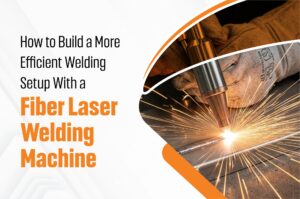
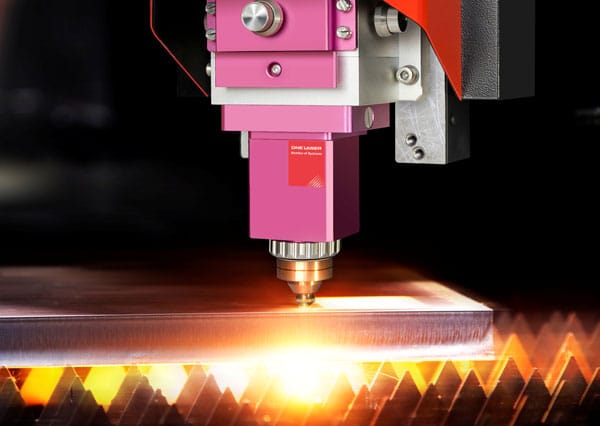
A fiber laser welding machine stands apart from traditional welding systems because of the technology behind it. Instead of traditional arcs or filler metals, the process directs a powerful fiber laser beam to generate heat for welding. The energy is concentrated at a very small point, allowing the metal surfaces to melt and join with extreme accuracy. This process creates a cleaner and stronger weld than most conventional methods. Unlike CO2 laser systems or arc welding, fiber laser welding delivers a high power density through an optical fiber.
This setup minimizes energy loss and enables longer operational life. It also allows for precise control of the weld depth and width, which is essential in industries like aerospace, automotive, and medical equipment manufacturing. Another major difference is its compatibility with automation. A fiber laser welding machine can easily integrate with robotic arms and CNC systems.It helps maintain consistent welding standards, regardless of complex designs or strict deadlines. Manufacturers appreciate the reduced post processing requirements, as the welds are smooth and nearly flawless. This technology does more than replace old methods. It sets a new benchmark for precision, speed, and reliability in metal joining.
Key Technological Innovations Driving Fiber Laser Welding Machines
The performance of a fiber laser welding machine relies on advanced technology that addresses the limitations of older welding systems. A major advancement in this technology is the adoption of a fiber-based laser source. This technology ensures high energy efficiency because light is transmitted through optical fibers with minimal loss. As a result, power consumption is reduced while output remains stable. Another major development is the integration of real time monitoring systems.
Sensors installed in the machine track parameters such as temperature, beam focus, and weld penetration depth. These systems allow operators to adjust settings instantly, reducing the chances of defects and increasing overall reliability. Automation compatibility is also a defining feature. Modern fiber laser welding machines work seamlessly with robotic arms, enabling automated welding lines. This innovation reduces labor dependency and improves production consistency.
In industries that require complex geometries or repetitive welds, this integration becomes a significant advantage. AI assisted control systems are now entering the market as well. These solutions can predict potential welding errors, optimize laser parameters, and even perform corrective actions without operator intervention. The combination of robotics, AI, and fiber laser technology makes these machines the backbone of Industry 4.0 manufacturing environments.
Another key factor is energy management. Advanced cooling systems ensure stable operation even during long production cycles. This reduces downtime and prolongs the life of critical components. Manufacturers benefit from a reliable process that maintains precision while lowering operational costs. These innovations demonstrate why fiber laser welding machines are not just an alternative to traditional welding. They are a complete transformation of how modern industries approach metal joining.

Hidden Benefits Manufacturers Overlook
When manufacturers talk about a fiber laser welding machine, the conversation usually centers on speed and accuracy. Although these are key benefits, there are several other advantages that are often ignored. A major one is the reduction of material waste. Conventional welding methods typically create spatter, leading to extra cleaning and unnecessary material loss. Fiber laser technology, on the other hand, delivers precise welds with very little residue, helping save time and resources. Another significant but overlooked benefit is environmental responsibility. Fiber laser systems require less energy than traditional welding techniques, making them more sustainable and cost-efficient in the long run.
They also do not require filler materials or large quantities of shielding gas for most operations. This reduction in resource consumption lowers the carbon footprint of the manufacturing process, aligning with global sustainability goals. Worker safety is another key factor. Older welding methods involve intense heat, fumes, and bright arcs, which can pose health risks to operators. Fiber laser welding machines reduce these hazards significantly because of their enclosed or semi enclosed systems and minimal heat output outside the weld zone.
Lastly, manufacturers benefit from lower maintenance costs. Since fiber laser components have longer service lives and fewer moving parts, downtime is minimized. Such reliability guarantees smooth operations without recurring delays. These hidden advantages demonstrate that fiber laser welding is not just about performance. It is also about efficiency, safety, and long term cost savings for modern industries.
Fiber Laser Welding in Smart Factories
Smart factories represent the future of manufacturing, where machines, systems, and humans work together using real time data. Within this ecosystem, the fiber laser welding machine plays a central role. Unlike older systems, it is designed for seamless integration with automated production lines. Robotic arms equipped with fiber laser welding heads can handle complex tasks that would be difficult or slow for manual welders. Connectivity is another key advantage.
Modern fiber laser systems can communicate with Manufacturing Execution Systems and Internet of Things platforms. This connectivity allows operators to monitor performance data, predict potential failures, and schedule maintenance before breakdowns occur. Predictive maintenance reduces downtime and extends machine life, making the entire process more efficient. Quality control also benefits from smart integration. Sensors inside the welding system provide feedback on each weld in real time. If a defect is detected, corrective action can happen immediately without halting production.
This level of automation ensures consistency across thousands of components, which is vital in industries like automotive and aerospace. Smart factories depend on machines that deliver precision and adaptability, and the fiber laser welding machine fits that requirement perfectly. By combining automation with advanced laser technology, manufacturers can achieve zero defect production goals while keeping costs under control.
Cost and ROI Perspective
Investing in a fiber laser welding machine may seem expensive at first, but the return on investment is significant. Traditional welding methods often require skilled labor, frequent maintenance, and higher energy consumption. These factors increase the long term operational cost. In contrast, fiber laser welding technology reduces these expenses by improving efficiency and minimizing material waste. One of the biggest financial advantages is reduced production time.
Since the laser welding process is faster and more precise, manufacturers can complete larger volumes without compromising quality. This efficiency directly impacts profit margins. Additionally, the minimal need for post weld finishing lowers labor costs and shortens delivery timelines. Energy savings also play a role in improving ROI.Fiber laser systems are engineered for lower energy consumption without reducing performance. Over time, this difference adds up, making operations more sustainable and cost effective.
Another consideration is machine longevity. A fiber laser welding machine operates with minimal consumables and demands far less maintenance compared to traditional welding equipment. These features extend the life of the system, offering value over many years of production. When all these factors are combined, the initial investment becomes an opportunity for significant long term savings and improved competitiveness.
Why Choose Business Point International
Choosing the right supplier for advanced welding technology is as important as selecting the machine itself. Business Point International is a trusted provider of industrial solutions in the UAE, offering premium quality fiber laser welding machines designed for high performance and long term reliability. Our team understands the unique needs of modern manufacturers and provides tailored solutions that integrate seamlessly with automated production systems.
Beyond supplying machines, we offer complete support, including installation, operator training, and after sales service. This ensures that every client maximizes productivity and maintains consistent quality. With a wide range of industrial laser machines, including welding, cutting, and marking systems, Business Point International is your one stop partner for advanced manufacturing technology. Our commitment to excellence and customer satisfaction makes us the preferred choice for businesses looking to upgrade their welding capabilities.
Conclusion
The fiber laser welding machine is more than a technological upgrade. It is a game changer for modern manufacturing, bringing speed, precision, and reliability to production processes. By reducing waste, lowering energy costs, and ensuring consistent quality, it addresses the critical challenges faced by industries today. As automation and smart factory systems become the norm, this technology will continue to play a vital role in shaping the future of welding. Businesses that adopt it now will gain a competitive edge and long term savings. For the best solutions, Business Point International stands ready to support your growth with advanced welding systems.